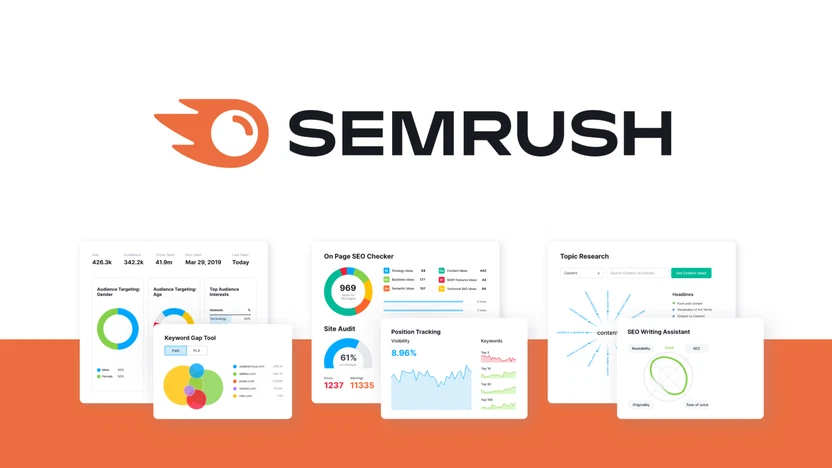
Semrush is a leading digital marketing tool that provides comprehensive insights into search engine optimization (SEO), pay-per-click (PPC) campaigns, content marketing, social media strategies, and competitive analysis. Here’s a breakdown of the critical aspects to consider when leveraging Semrush:
Table of Contents
Keyword Research
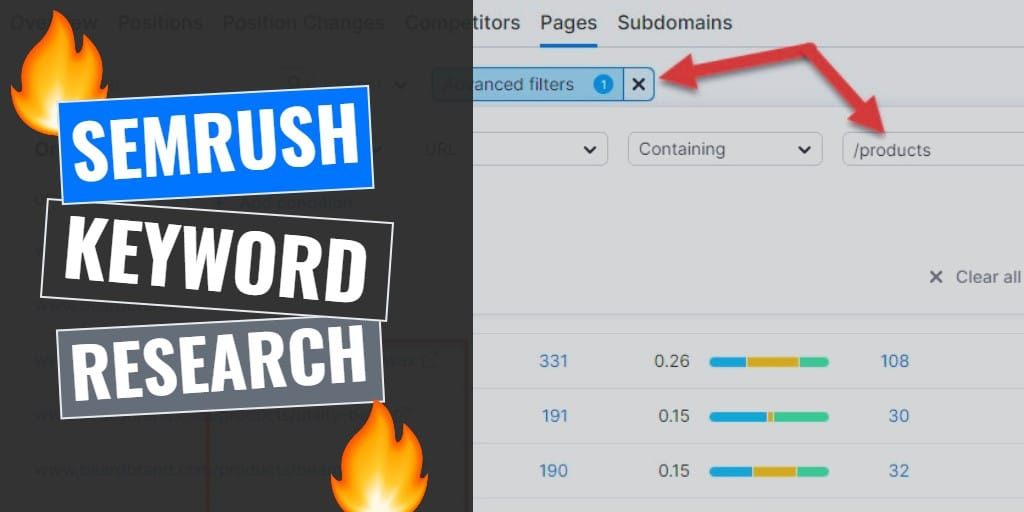
Volume and Difficulty: Analyze search volumes and keyword difficulty to identify high-potential keywords that balance traffic generation with competitiveness.
Search Intent: Use the Keyword Magic Tool to classify keywords by intent, such as informational, navigational, or transactional, ensuring your strategy aligns with user needs.
Competitor Keywords: Discover keywords your competitors rank for to identify content gaps and opportunities for growth.
Site Audit
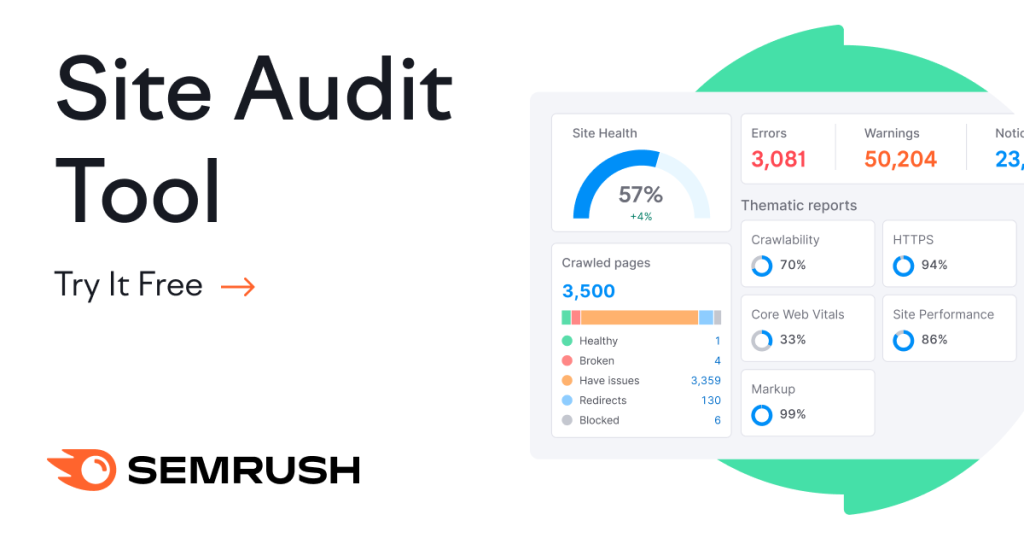
Technical SEO Health: Run a site audit to detect issues such as broken links, slow-loading pages, and duplicate content that could hinder your rankings.
Core Web Vitals: Monitor metrics like loading speed, interactivity, and visual stability, which are crucial for user experience and search engine performance.
Recommendations: Implement actionable recommendations provided by Semrush to enhance site structure and fix errors effectively.
Competitor Analysis

Domain Overview: Analyze competitors’ domains to understand their organic traffic, paid campaigns, and backlink profiles.
Traffic Sources: To refine your strategy, study the traffic sources your competitors rely on, such as organic search, paid ads, or social media.
Content Gap Analysis: Identify topics your competitors cover that your website doesn’t, and create tailored content to fill those gaps.
Content Marketing Toolkit

Topic Research: Use Semrush’s topic research tool to generate ideas for high-performing content based on trending topics and user queries.
SEO Writing Assistant: Optimize your content for readability, keyword usage, and SEO-friendliness while writing or editing articles.
Post-Performance Tracking: Monitor how your content performs on search engines and refine your strategy accordingly.
Backlink Analysis
Backlink Audit: Analyze your website’s backlinks to assess their quality and detect any harmful links.
Competitor Backlinks: Study your competitors’ backlink profiles to identify authoritative sources linking to them and strategize on earning similar links.
Link-Building Tool: Use Semrush to find outreach opportunities and streamline the link-building process.
Advertising Research
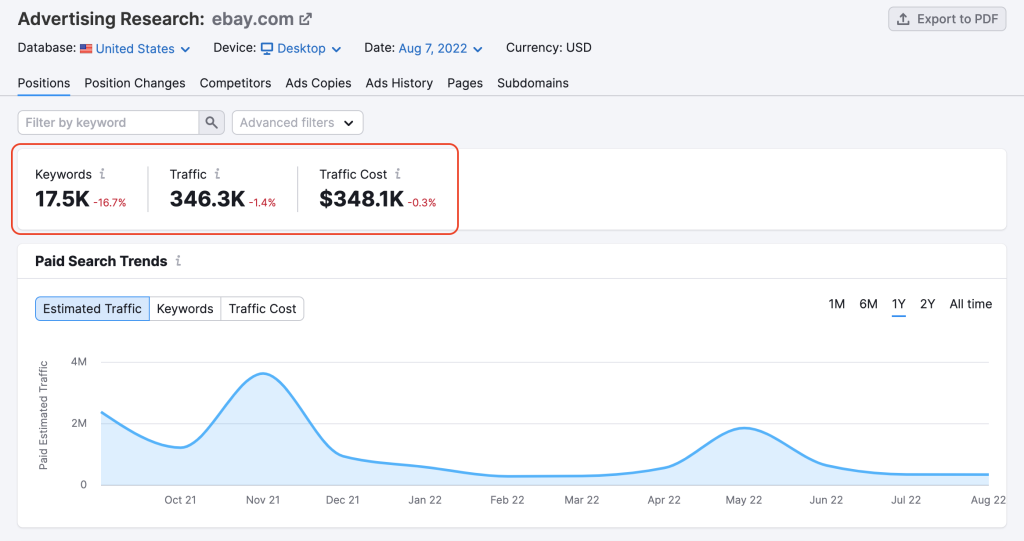
PPC Campaigns: Explore competitors’ PPC campaigns to understand their ad copy, target keywords, and budget.
Ad Planner: Use Semrush’s tools to design cost-effective, high-impact ad campaigns tailored to your audience.
Social Media Management

Post Scheduling: Plan and automate your social media posts directly from Semrush.
Performance Metrics: Track engagement, follower growth, and post-performance to adjust your social media strategy.
Competitor Insights: Study your competitors’ social media activities to identify gaps and opportunities.
Reporting and Customization
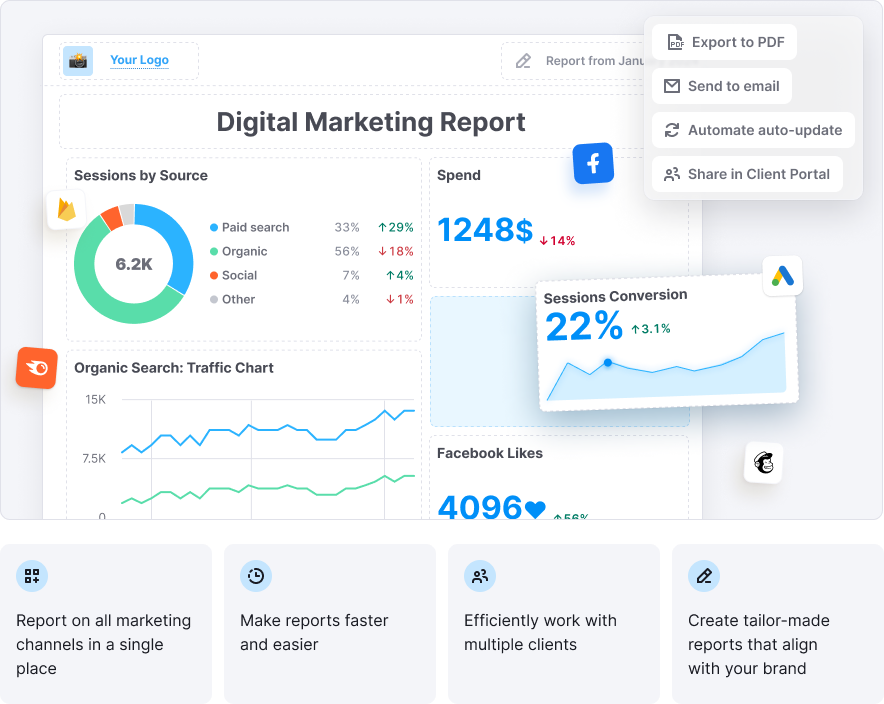
Custom Reports: Generate detailed, customized reports for SEO, PPC, content, or overall performance to share with stakeholders.
Brand Monitoring: Track mentions of your brand across the web to measure sentiment and audience perception.
Final Thoughts
Semrush is a versatile and powerful platform, but its effectiveness hinges on how well you utilize its features. By focusing on these aspects, you can create data-driven strategies, optimize campaigns, and outperform competitors in the digital space. Whether you’re an SEO specialist, content marketer, or PPC manager, mastering Semrush will provide the edge you need in today’s competitive landscape.