Social media platforms play a pivotal role in driving brand awareness, customer engagement, and business growth. Companies are increasingly leveraging social media “SEMrush” for digital marketing, as it provides access to millions of users who actively engage with content and connect with brands. However, the success of a social media marketing strategy depends on how well businesses understand and harness the platform’s potential.
This article explores key aspects of social media platforms that businesses should seek to create successful digital marketing campaigns.
Table of Contents
Platform Audience and Demographics
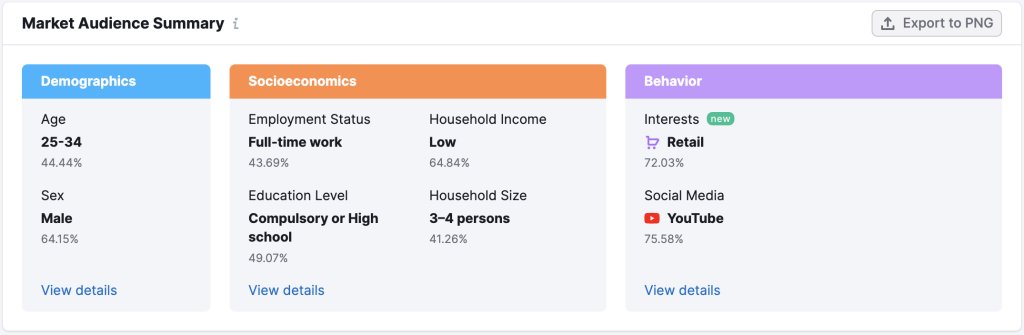
Every social media platform caters to a specific demographic. Understanding the audience on each platform is the first step in choosing the right one for your brand’s digital marketing efforts. For instance, Instagram is known for its younger audience, while Facebook has a broader range of age groups, and LinkedIn focuses on professionals and business-to-business interactions.
Targeted Messaging: By knowing the audience, businesses can create tailored content that resonates with specific demographics.
Improved ROI: When your marketing aligns with the platform’s user base, your ads and content are more likely to generate engagement, leading to higher conversion rates and a better return on investment (ROI).
Content Format and Versatility
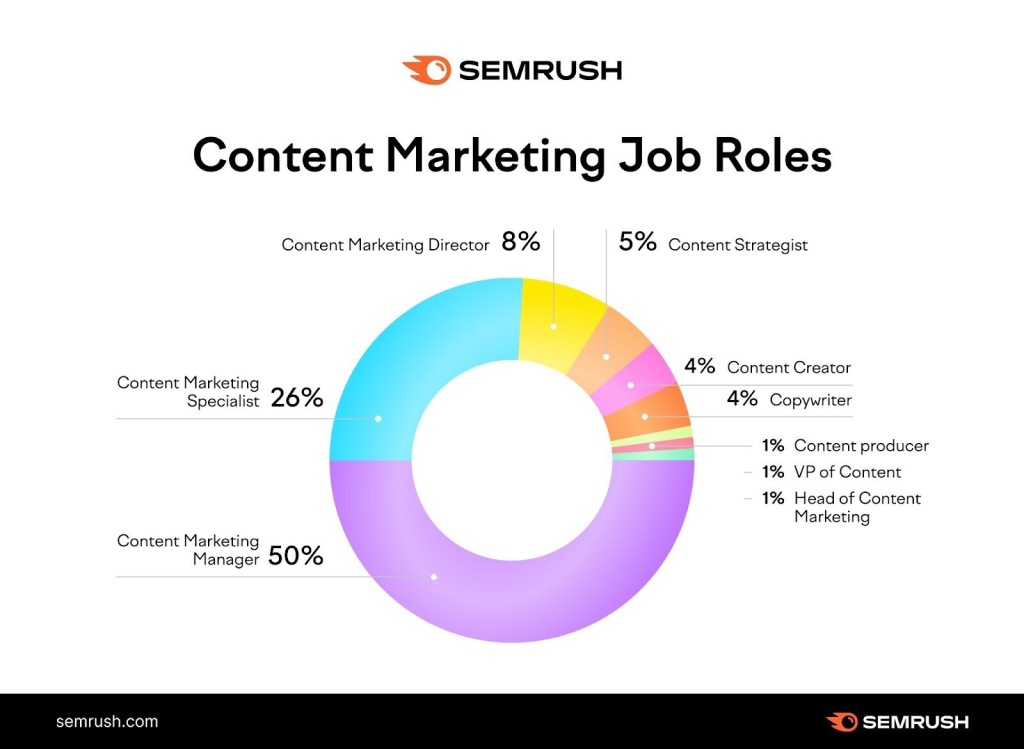
Different platforms support various content formats, including text, images, videos, live streams, and interactive content like polls and quizzes. Businesses should focus on platforms that align with their content strategy. For example, Instagram and TikTok are heavily visual and video-oriented, while Twitter and LinkedIn prioritize concise, text-based communication.
Brand Storytelling: Certain content formats, such as videos and live streams, enable brands to tell compelling stories that engage audiences at an emotional level.
Platform Engagement: Knowing which formats perform best on each platform allows businesses to maximize their reach and engagement.
Ad Targeting Options
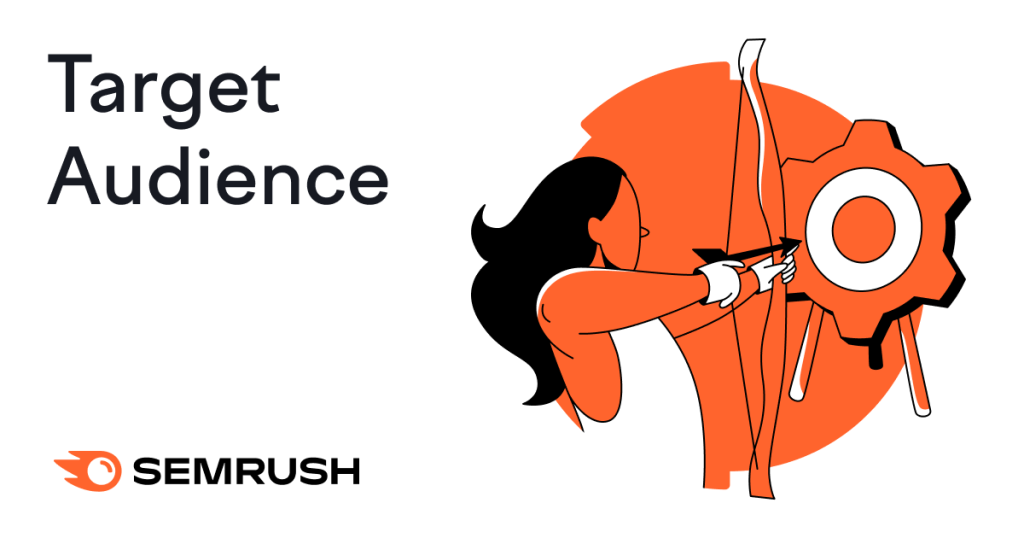
One of the greatest advantages of digital marketing on SEMrush from social media is the ability to target users with precision. Social media platforms offer advanced targeting options based on user behavior, interests, location, age, gender, and even specific life events.
Personalization: With precise targeting, businesses can personalize their campaigns to reach the right audience at the right time, which increases the likelihood of conversions.
Cost Efficiency: Advanced targeting ensures that your marketing budget is spent on audiences who are more likely to engage with your content or ads, reducing wasted ad spend.
Analytics and Insights
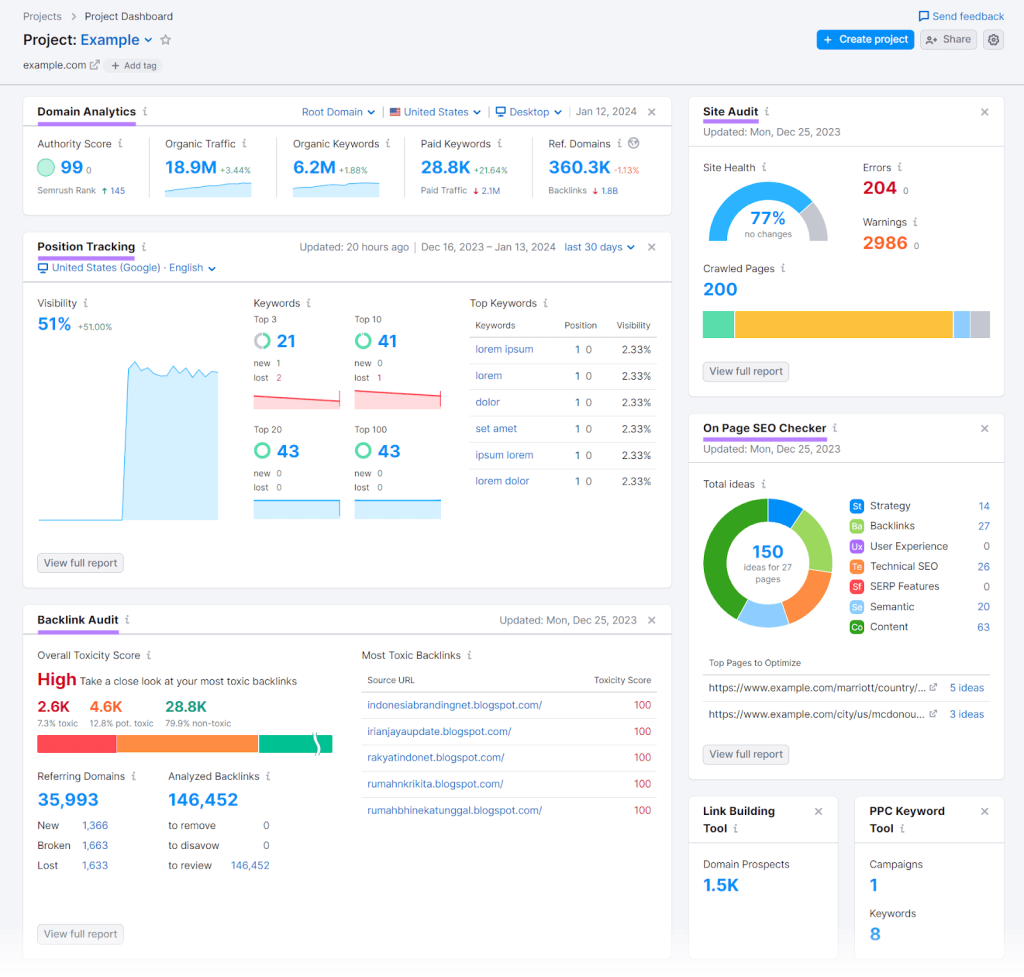
Analytics is the backbone of any digital marketing campaign. Social media platforms provide built-in analytics tools that offer data on engagement, reach, impressions, click-through rates, and conversion tracking. Understanding these insights is crucial for measuring the success of your marketing efforts and making data-driven decisions.
Performance Tracking: With real-time insights, businesses can assess what works and what doesn’t, allowing for continuous optimization.
Strategic Adjustments: Analytics help marketers identify patterns and trends, enabling them to adapt their content or targeting strategies accordingly.
Influencer Marketing Potential
Social media is synonymous with influencer marketing, where brands collaborate with influencers to promote their products or services. The right platform should provide access to influencers relevant to your niche. Instagram, YouTube, and TikTok are known as influencer-heavy platforms, while LinkedIn is ideal for influencers.
Authenticity: Influencers provide authentic endorsements that resonate with their followers, often leading to higher trust and engagement compared to traditional advertising.
Wider Reach: Collaborating with influencers allows brands to tap into established follower bases, expanding their reach to audiences they may not have accessed otherwise.
Paid Advertising Options
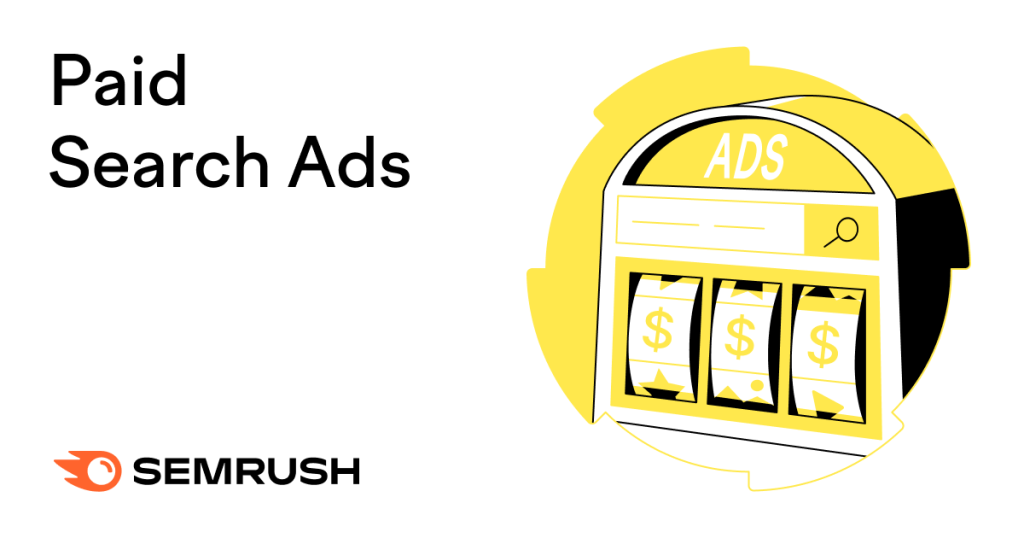
Most social media platforms offer paid advertising opportunities in addition to organic content marketing. Businesses can run sponsored posts, paid advertisements, and boosted content to increase visibility and engagement. Each platform has different pricing models, ad formats, and bidding strategies.
Increased Reach: Paid advertising amplifies your content, helping it reach users who may not follow your account or engage with your organic posts.
Targeted Campaigns: With paid ads, businesses can create highly targeted campaigns to reach specific audience segments, improving the chances of conversions.
Community Engagement Features
A strong social media presence is built on community engagement. Platforms that facilitate active interaction through comments, shares, direct messaging, and live sessions enable businesses to engage with their audience more effectively.
Building an engaged community through active interaction on social media creates a sense of loyalty among customers. This loyalty leads to higher retention rates and word-of-mouth marketing, highlighting the long-term benefits of community engagement in building brand loyalty.
Feedback Loop: Engaging with users allows businesses to gather feedback and insights directly from their audience, helping to improve products or services.
User-Generated Content (UGC)
User-generated content is a powerful form of social proof that can enhance a brand’s credibility. Social media platforms like Instagram, TikTok, and Facebook encourage users to create and share content featuring products they love, which in turn boosts brand visibility and authenticity.
Trust Building: UGC acts as a testimonial, as users are more likely to trust the opinions of their peers than traditional ads.
Cost-Effective Marketing: UGC is essentially free advertising created by your customers, reducing the need for businesses to produce content continuously.
SEO and Discoverability
While social media platforms are not search engines in the traditional sense, they play an essential role in SEO (search engine optimization) and brand discoverability. Platforms like YouTube (which doubles as a search engine for videos) and Pinterest (a visual search engine) allow businesses to enhance their online visibility, making social media a key player in brand discoverability and SEO.
Visibility: Optimized content on social media platforms can appear in both social search results and search engine results, increasing brand visibility.
Cross-Channel Marketing: Linking your social media presence with your website and other digital assets enhances discoverability and creates a seamless customer journey.
Customer Support and Communication
Incorporating customer support features into your social media strategy is essential for providing real-time solutions to customer issues. Many platforms offer direct messaging services, chatbots, and even e-commerce integrations, making it easy for customers to contact businesses.
Customer Satisfaction: Quick response times and direct communication with brands improve customer satisfaction and enhance the overall user experience.
Crisis Management: Addressing complaints or issues publicly on social media helps demonstrate transparency and commitment to customer care.
Conclusion
Social media platforms are an indispensable component of digital marketing. However, the key to success lies in understanding each platform’s unique aspects and aligning them with your brand’s marketing objectives. By focusing on the right audience, leveraging versatile content formats, optimizing ad targeting, and engaging with their community, businesses can unlock the full potential of social media for growth and success.