
Table of Contents
How to Improve Website SEO in 2026: A Comprehensive Guide to Ranking Higher
Search engine optimization (SEO) remains one of the most powerful digital marketing strategies for driving consistent, high-quality traffic to your website. Whether you run an eCommerce store, a SaaS platform, or a personal blog, improving website SEO can significantly increase visibility, credibility, and conversions. Since search engines like Google continuously update their algorithms, understanding and applying modern SEO best practices is essential. This guide explores practical, proven strategies how to improve your website’s SEO in 2026.
Understanding How Search Engines Work
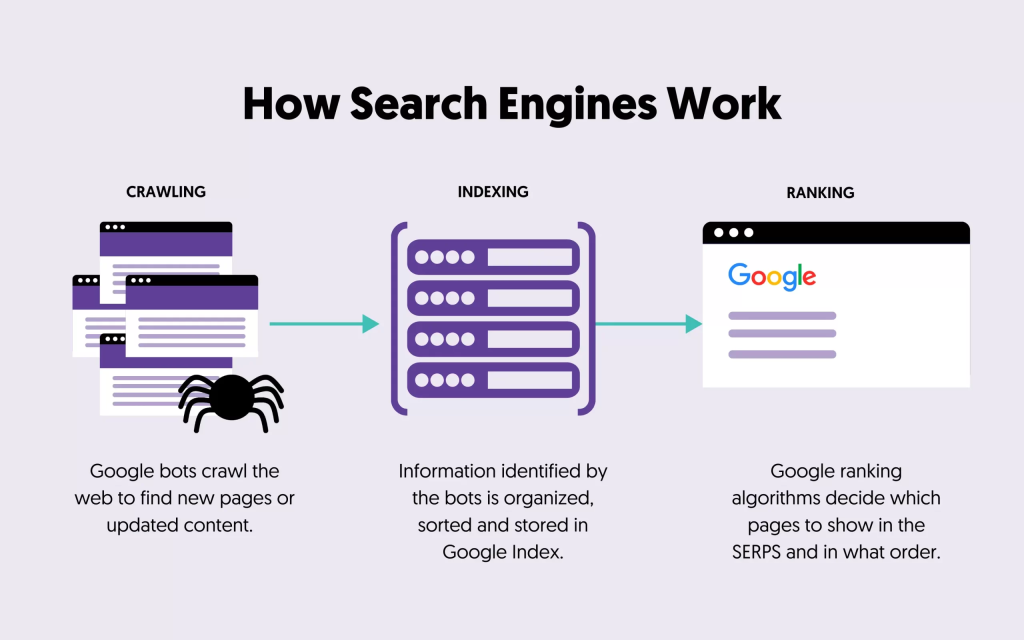
Before optimizing your website, it is important to understand how search engines operate. Search engines such as Google and Bing use automated bots, often called crawlers or spiders, to scan web pages across the internet. These crawlers analyze content, structure, links, and user signals. The collected information is then indexed and ranked based on relevance, quality, and authority.
Search engines prioritize content that provides value to users. Their algorithms evaluate hundreds of ranking factors, including keyword relevance, website speed, mobile usability, backlinks, and content freshness. By aligning your website with these factors, you increase your chances of ranking higher in search engine results pages (SERPs).
Conducting Thorough Keyword Research
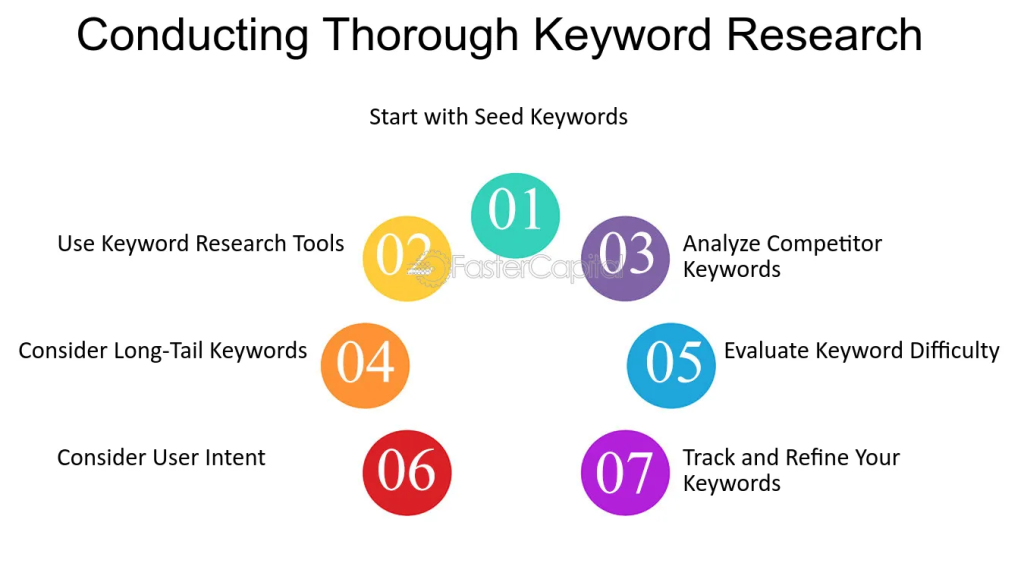
Keyword research forms the foundation of successful SEO. Keywords are the search terms users type into search engines when looking for information, products, or services. Identifying the right keywords ensures your content aligns with user intent.
Start by identifying the primary keywords for your niche. Then explore long-tail keywords, which are more specific phrases that often have lower competition and higher conversion rates. Tools like Google Keyword Planner, Ahrefs, and SEMrush can help you discover search volume, competition levels, and keyword variations.
When selecting keywords, focus on search intent. Determine whether users are seeking information, comparing products, or ready to make a purchase. Aligning your content with intent improves engagement and ranking potential.
Creating High-Quality, Valuable Content

Content remains the backbone of SEO. Search engines reward websites that consistently publish informative, relevant, and original content. Instead of focusing solely on keyword density, prioritize delivering real value to readers.
Create in-depth articles that thoroughly answer user queries. Use clear structure, natural language, and supporting data where appropriate. Incorporate keywords organically within headings, subheadings, and body text without overstuffing.
Regularly updating your content also signals freshness to search engines. Refresh outdated statistics, improve clarity, and expand sections where necessary. Long-form content, when written thoughtfully, often performs well because it covers topics comprehensively and keeps users engaged longer.
Optimizing On-Page SEO Elements
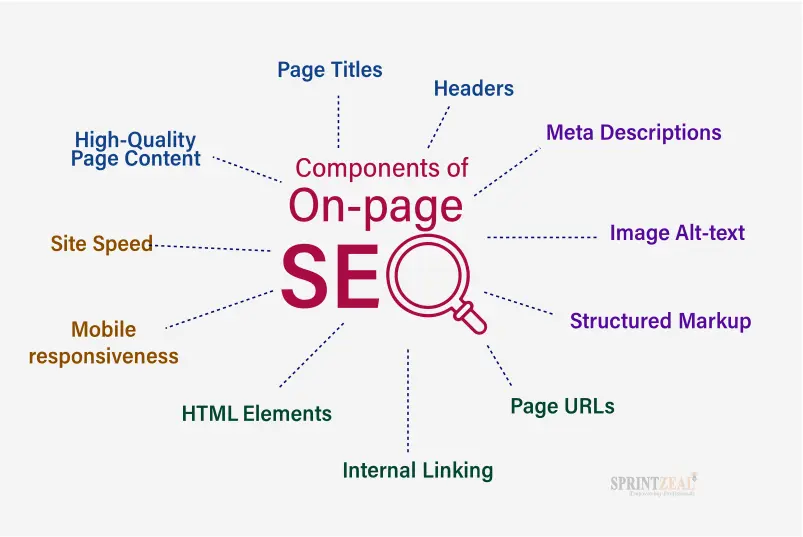
On-page SEO involves optimizing individual pages to improve rankings. One of the most important elements is the title tag. Your title should include your primary keyword and remain compelling enough to attract clicks.
Meta descriptions also play a significant role in improving click-through rates. Although they do not directly impact rankings, well-written meta descriptions encourage users to visit your site.
Additionally, optimize images by compressing file sizes and adding descriptive alt text. This not only improves accessibility but also enhances visibility in image search results.
Improving Website Technical SEO
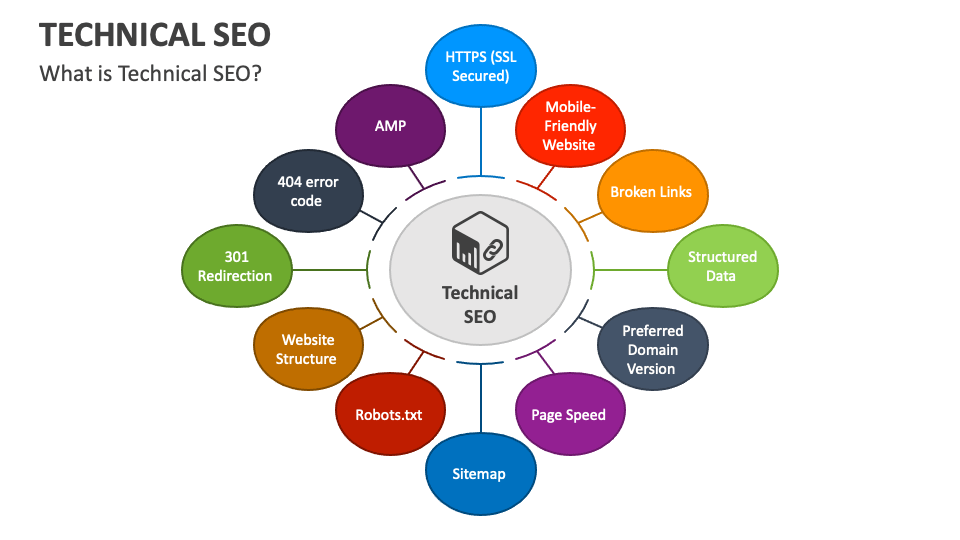
Technical SEO ensures that search engines can crawl and index your website efficiently. A well-structured, technically sound website provides a better user experience and supports higher rankings.
Site speed is a critical ranking factor. Slow-loading pages increase bounce rates and reduce conversions. Use caching, optimize images, and choose reliable hosting to enhance performance.
Mobile responsiveness is equally important. With mobile-first indexing, Google primarily uses the mobile version of your website for ranking. Ensure your design adapts seamlessly across devices.
Building High-Quality Backlinks

Backlinks remain one of the strongest ranking signals. A backlink occurs when another website links to your content. Search engines view these links as endorsements of credibility and authority.
Focus on earning links from reputable, relevant websites within your industry. Guest blogging, creating shareable infographics, publishing original research, and collaborating with industry experts can naturally generate backlinks.
Internal linking is also important. Linking related pages within your website helps distribute authority and improves navigation for users and search engines alike.
Enhancing User Experience and Engagement
User experience (UX) directly impacts SEO performance. Search engines analyze user behavior signals such as bounce rate, dwell time, and click-through rate to assess content quality.
Ensure your website is easy to navigate with a clean design and intuitive layout. Clear calls to action guide users toward desired outcomes, whether subscribing to a newsletter or completing a purchase.
Reducing intrusive pop-ups and improving page load times contribute to a smoother browsing experience, which positively influences search rankings.
Leveraging Local SEO Strategies

If your business serves a specific geographic area, local SEO is essential. Optimize your website for location-based keywords and create dedicated pages for each service area.
Claim and optimize your profile on Google Business Profile to appear in local search results and map listings. Provide accurate contact information, business hours, and customer reviews.
Encourage satisfied customers to leave positive reviews, as they influence both rankings and consumer trust. Consistent name, address, and phone number (NAP) information across online directories strengthens local SEO signals.
Utilizing Analytics and Continuous Monitoring
SEO is not a one-time effort but an ongoing process. Monitoring performance allows you to identify what works and where improvements are needed.
Use tools such as Google Analytics and Google Search Console to track traffic sources, keyword rankings, user behavior, and technical issues.
Analyze which pages generate the most traffic and conversions. Identify underperforming content and optimize it further. Regular audits help maintain competitiveness and adapt to algorithm updates.
Staying Updated with Algorithm Changes
Search engine algorithms evolve constantly. Major Google updates can significantly impact website rankings. Staying informed about industry changes helps you adjust your strategy proactively.
Follow reputable SEO blogs, attend webinars, and engage with digital marketing communities to stay up to date. Instead of chasing quick wins, focus on sustainable strategies centered on quality, relevance, and user satisfaction.
Conclusion
Now you must know how to improve website SEO in 2026 requires a strategic combination of technical optimization, high-quality content creation, keyword research, and authority building. By understanding how search engines evaluate websites and consistently refining your approach, you can achieve sustainable growth in organic traffic.