In today’s digital landscape, where content plays a pivotal role in brand visibility, businesses need to develop an effective content strategy. Without a solid plan, even the best content may go unnoticed. Enter Semrush – one of the most robust and comprehensive tools available to marketers today for building and optimizing content strategies. In this article, we’ll explore how you can use “Semrush” to create and execute an effective content strategy.
Why SEMrush?
Semrush is a powerful SEO and content marketing platform that provides insights into your website’s performance, your competitors’ strategies, and potential opportunities for growth. Whether you’re aiming to create new content, optimize existing posts, or generate content ideas, SEMrush offers a suite of tools that can help guide your content efforts toward greater visibility and engagement.
Step 1: Conducting Keyword Research

Effective content starts with understanding the right keywords. With Semrush’s Keyword Magic Tool, you can easily identify high-value keywords that resonate with your target audience. Here’s how you can use this tool to boost your content strategy:
Identify High-Volume Keywords: By entering a seed keyword related to your niche, SEMrush will generate thousands of keyword suggestions. These are ranked based on search volume, competition, and potential traffic, allowing you to pick keywords that align with your goals.
Explore Keyword Variations: Semrush breaks down keyword suggestions into different categories, helping you uncover long-tail keywords, question-based keywords, and more. Long-tail keywords, for example, are less competitive and more specific, which can increase your chances of ranking higher in search results.
Analyze Keyword Difficulty: Understanding how challenging it will be to rank for a specific keyword is essential. SEMrush provides a keyword difficulty score for each suggestion. Focus on keywords with lower difficulty scores for easier wins, especially if your site is still growing its authority.
Step 2: Competitive Analysis
Knowing what your competitors are doing helps inform your content strategy. SEMrush offers several competitive analysis tools that provide deep insights into what’s working in your industry.
Analyzing Competitors’ Best Content: With the Organic Research Tool, you can analyze a competitor’s domain and see which content pieces are driving the most traffic. This can help you identify content gaps on your site. If your competitors are ranking for certain keywords or content types that you haven’t targeted, this represents an opportunity to create relevant content and draw in their audience.
Backlink Analysis: SEMrush’s Backlink Analytics Tool helps you understand your competitor’s link-building strategies. If a competitor’s content has attracted high-authority backlinks, it’s a good indication that the content is valuable. This can inform your own outreach efforts and content creation, leading to better link-building practices.
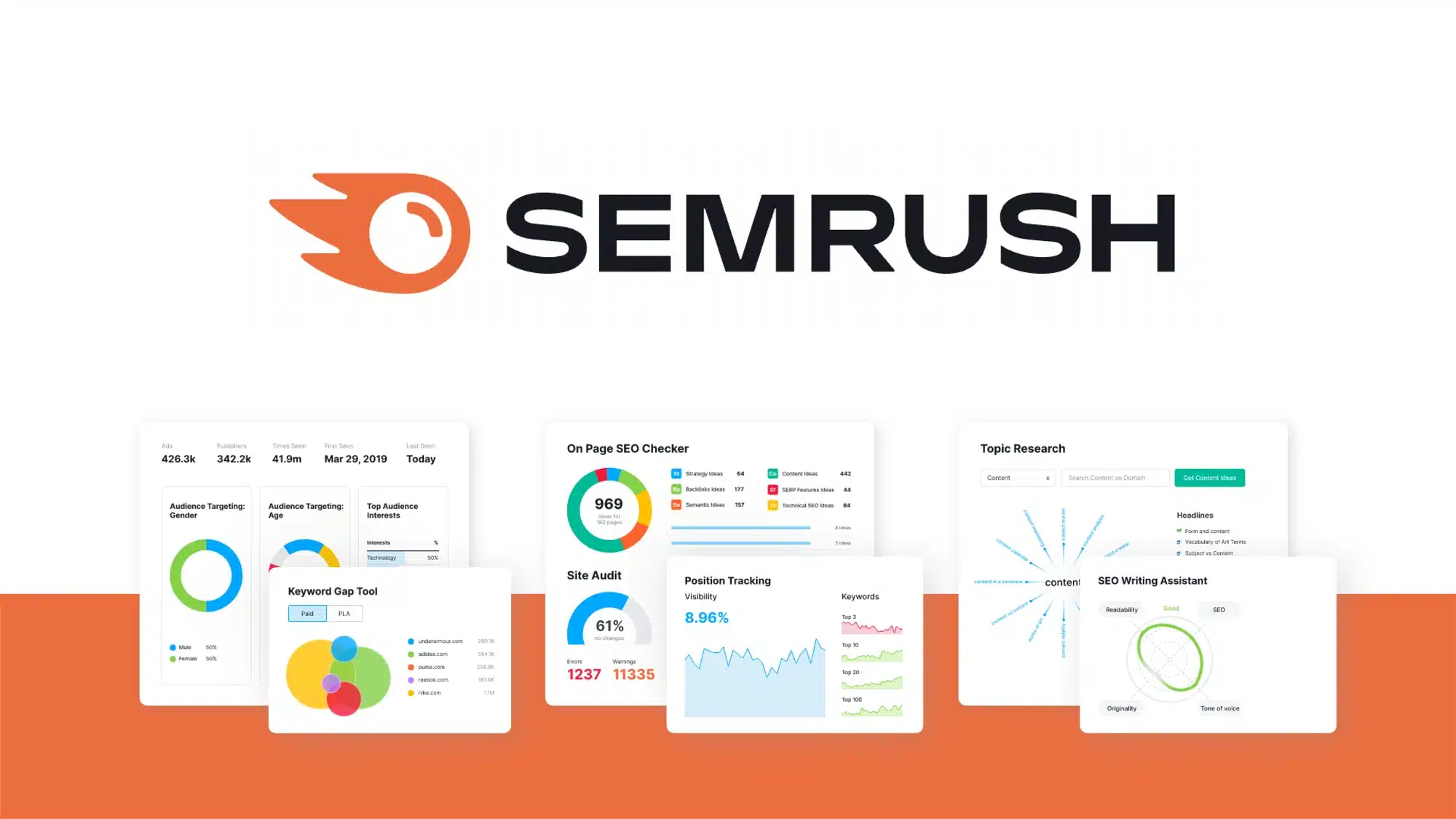
Tracking Competitor Rankings: The Position Tracking Tool allows you to monitor the organic ranking positions of competitors. By setting up daily tracking reports, you can stay informed of how their content is performing over time, adjusting your strategy as needed to outperform them.
Step 3: Content Creation and Optimization
Creating high-quality content that ranks well in search engines requires more than just good writing. SEMrush’s Content Marketing Toolkit offers a variety of features to guide your content development process.
Topic Research: When you’re unsure what to write about, SEMrush’s Topic Research Tool can help. By entering a general keyword or topic, you’ll be presented with a list of subtopics, related questions, and trending articles. This not only helps in generating fresh content ideas but also ensures that your content aligns with current audience interests.
Content Templates: Once you’ve identified a keyword to target, use the SEO Content Template to create optimized content. This tool provides recommendations based on top-ranking articles for the keyword, such as suggested word count, keyword usage frequency, readability, and backlink sources. By following these suggestions, you can craft content that meets SEO best practices.
SEO Writing Assistant: While writing your content, SEMrush’s SEO Writing Assistant helps you improve its SEO-friendliness in real-time. It evaluates keyword density, readability, originality, and tone of voice. This ensures that your content not only ranks well but is also engaging for your readers.
Step 4: Content Audit and Optimization
Optimizing existing content is just as vital as creating new material. SEMrush provides tools to conduct a thorough content audit and suggest improvements for better rankings.
Content Audit Tool: SEMrush’s Content Audit tool helps you review the performance of your existing content. It offers insights into key metrics such as backlinks, page views, and social shares, helping you identify underperforming content that could benefit from updates. Additionally, the tool suggests improvements, such as adding more internal links, enhancing keyword usage, or adjusting meta tags.
On-Page SEO Checker: The On-Page SEO Checker analyzes individual pages on your site and provides specific recommendations for improving their ranking potential. This includes optimizing title tags, meta descriptions, headers, images, and more.
Content Gap Analysis: Use the Content Gap Tool to identify keywords and topics that your competitors are ranking for, but you aren’t. This will highlight opportunities to fill gaps in your content library and capture traffic you’re currently missing.
Step 5: Measuring and Tracking Content Performance
A successful content strategy is always evolving. With SEMrush’s tracking tools, you can monitor the effectiveness of your strategy and make adjustments as needed.

Position Tracking: Once your content is live, use the Position Tracking Tool to monitor how well your content ranks for its target keywords. Set up tracking for specific regions or devices and receive updates on your ranking movements over time. This allows you to react quickly to drops in rankings and fine-tune your strategy.
Content Performance Insights: The Content Analyzer provides detailed reports on how your content is performing in terms of engagement, traffic, and search visibility. You can also set up alerts for significant changes, helping you stay on top of any issues or opportunities for optimization.
Reports and Analytics: SEMrush’s reporting feature allows you to create custom reports that summarize your content’s performance. These can be shared with team members or clients to showcase progress, set future goals, and adjust strategies accordingly.
Step 6: Enhancing Social Media Content
Content strategy doesn’t only revolve around SEO. SEMrush also supports social media content planning and analysis.
Social Media Tracker: Track your social media performance across multiple platforms using the Social Media Tracker. Monitor your competitor’s social posts and engagement levels to understand which content types and platforms work best for them.
Social Media Poster: The Social Media Poster helps you schedule and manage your social media posts from a single dashboard. You can create a content calendar and publish posts across different channels, ensuring your brand maintains a consistent presence online.
Conclusion
“Semrush” offers an unparalleled toolkit for content strategy development, from keyword research to competitive analysis, content creation, and performance tracking. By utilizing SEMrush’s comprehensive features, you can ensure that your content is not only relevant but also optimized for maximum visibility, engagement, and conversion.
Whether you’re a small business owner or a seasoned content marketer, SEMrush provides the tools you need to craft a data-driven content strategy that will assist you stand out in today’s competitive digital landscape.