
In the highly competitive digital landscape, having a well-optimized website is crucial for success. One of the most powerful tools available for this purpose is SEMrush. With its comprehensive set of features, SEMrush helps website owners and marketers analyze their site’s performance, research keywords, track competitors, and enhance their overall online presence.
Table of Contents
1. Understanding SEMrush: An Overview
SEMrush is an all-in-one digital marketing tool designed to help businesses optimize their online presence across various channels, including search engines, social media, and paid ads. It provides detailed insights into a website’s SEO health, keyword rankings, backlinks, content performance, and much more.
2. Website Audit: The First Step to Uplift Your Site
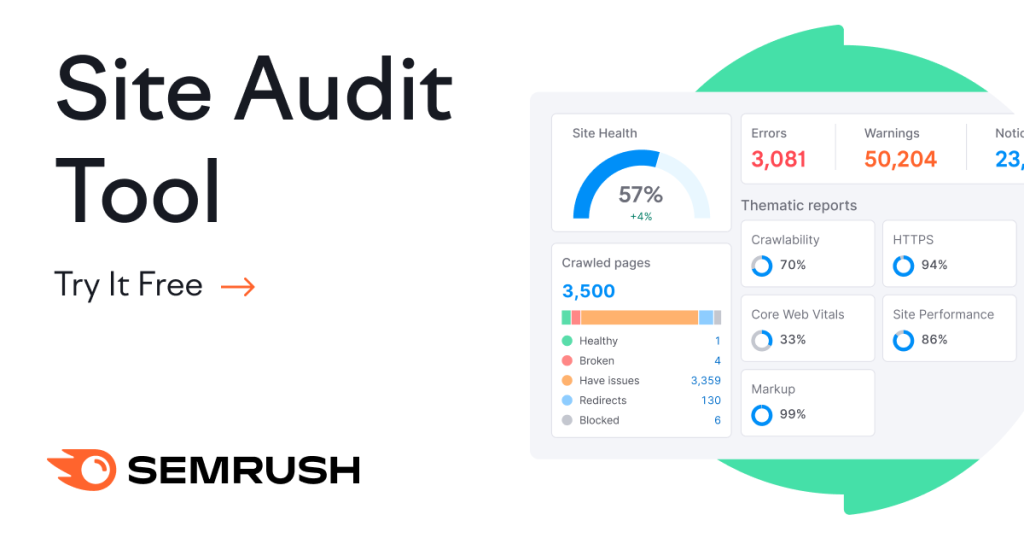
A great way to start improving your website is by running a thorough Site Audit using SEMrush. The tool checks for issues such as crawlability problems, broken links, slow page load times, and duplicate content. A site audit helps identify on-page SEO problems that could be hampering your site’s performance.
Key Areas of Focus in a Site Audit
Crawlability: Are search engines able to access all your important pages?
Mobile Friendliness: Is your website optimized for mobile users?
HTTPS Security: Is your site secure? HTTPS is now a crucial ranking factor.
Broken Links: Are there any broken internal or external links that can negatively impact user experience?
Actionable Tip: After running the site audit, prioritize fixing critical issues such as crawl errors, page load speed, and broken links. SEMrush provides specific recommendations to address each problem, making it easier for you to make necessary improvements.
3. Keyword Research: The Foundation of SEO
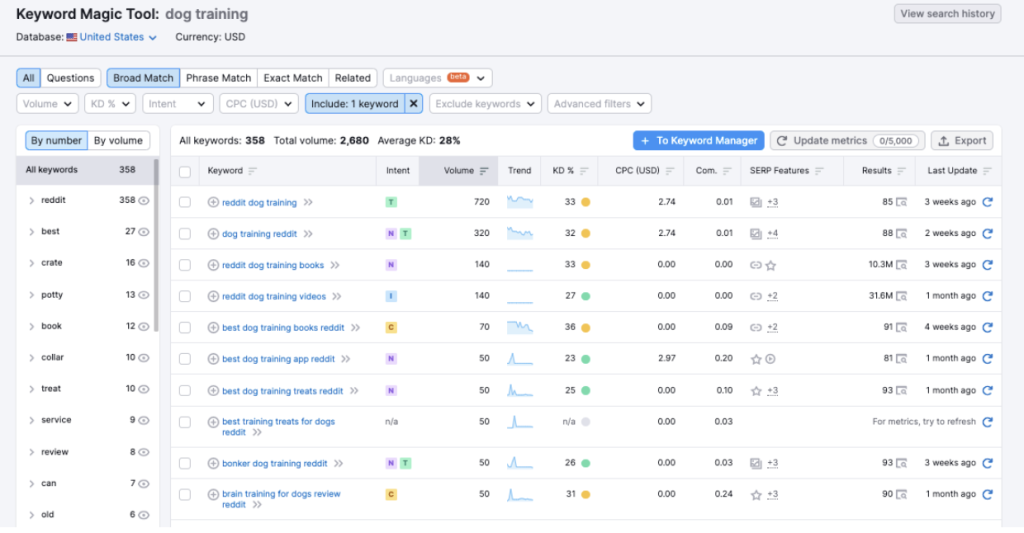
Keyword research forms the foundation of any successful SEO strategy. SEMrush’s Keyword Magic Tool helps you find high-volume, low-competition keywords that can drive targeted traffic to your site.
How to Conduct Effective Keyword Research
Start with Seed Keywords: Use broad terms related to your niche to begin your search.
Explore Keyword Variations: SEMrush will provide variations, questions, and related keywords that can open up new content opportunities.
Evaluate Keyword Difficulty: The tool shows how competitive each keyword is. Aim for keywords with a balance between high search volume and low difficulty for quicker ranking potential.
Track Competitor Keywords: SEMrush enables you to see which keywords your competitors rank for, allowing you to refine your strategy and target areas they may be missing.
Actionable Tip: Focus on long-tail keywords. These keywords have lower search volumes but are highly specific, leading to better conversions.
4. Content Optimization: Creating Value-Driven Content
With SEMrush’s SEO Content Template and SEO Writing Assistant, you can create and optimize content that ranks well on search engines. These tools help analyze top-ranking pages for your target keywords and provide recommendations on content length, keyword placement, readability, and backlinks.
Steps to Optimize Your Content with SEMrush
Analyze Top Competitors: The content template will display how your competitors are structuring their content for the target keyword.
Optimize for Readability: SEMrush gives suggestions to make your content more readable and user-friendly.
Ensure Keyword Usage: The SEO Writing Assistant checks for appropriate keyword usage and warns if you’re either over-optimizing or under-optimizing.
Actionable Tip: Regularly update your old content based on SEMrush insights to ensure it remains competitive. Fresh and optimized content continues to perform better on search engines.
5. Backlink Building: Strengthen Your Domain Authority
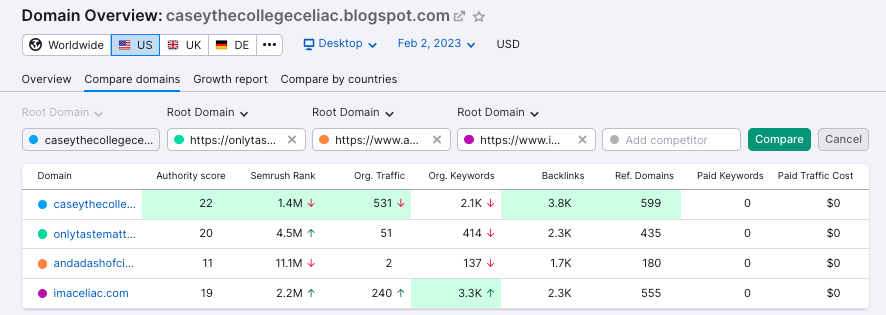
Backlinks are an essential part of any SEO strategy. They are a signal to search engines that other websites find your content valuable, boosting your domain authority. SEMrush’s Backlink Analytics and Backlink Gap tools help you track your backlink profile, identify new linking opportunities, and analyze competitors’ backlink strategies.
How to Build High-Quality Backlinks with SEMrush
Analyze Your Backlink Profile: The Backlink Analytics tool helps you monitor all the links pointing to your site, including their quality and impact.
Identify Gaps: Use the Backlink Gap tool to compare your backlinks to those of competitors and find opportunities for acquiring high-quality backlinks from the same sources.
Track Toxic Backlinks: SEMrush identifies potentially harmful backlinks that could negatively impact your SEO. Disavow these toxic links through Google Search Console to avoid penalties.
Actionable Tip: Focus on building links from authoritative sites in your industry through strategies like guest blogging, influencer outreach, and creating valuable content that others will naturally want to link to.
6. Competitor Analysis: Stay Ahead of the Game
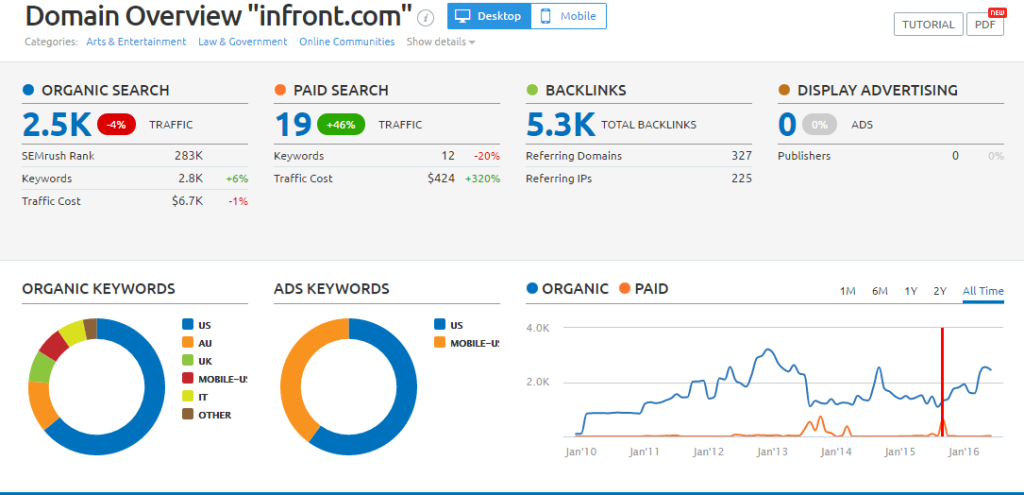
SEMrush’s Competitive Research tools provide insights into what your competitors are doing, how they rank for key terms, and where their traffic comes from. Use this data to adjust your strategy and find gaps in their performance that you can capitalize on.
Key Areas of Competitor Analysis
Organic and Paid Traffic: Understand how much of your competitor’s traffic is organic versus paid and which keywords are driving traffic to their site.
Traffic Sources: Discover which channels are driving the most traffic to your competitors, and see if you can tap into the same channels.
Top Pages: Identify which content or products are driving the most traffic for your competitors and use that knowledge to enhance your content.
Actionable Tip: Monitor competitors regularly to stay ahead in your industry. Adjust your SEO, content, and marketing strategies based on the latest insights from SEMrush’s analysis.
How to Use Position Tracking
Set Up Your Campaign: Choose the specific keywords you want to track, and SEMrush will show you how your rankings evolve.
Geographical Tracking: Track rankings across different locations if you are targeting local or international audiences.
Competitor Monitoring: Monitor your competitors’ rankings for the same keywords and adjust your strategy accordingly.
Actionable Tip: Use position tracking to assess the impact of recent SEO changes on your rankings. If you notice drops, take action to optimize further.
Benefits of Local SEO with SEMrush
Google My Business Integration: Ensure your Google My Business profile is fully optimized with accurate information, customer reviews, and relevant images.
Local Keyword Research: Find keywords that are highly relevant to your location.
Track Local Rankings: Monitor how well you are ranking for location-based keywords.
Actionable Tip: Encourage customers to leave reviews on platforms like Google My Business. Positive reviews are a significant local ranking factor.


