
Search Engine Optimization (SEO) may be daunting when it is your first time. Under the influence of constant updates of algorithms, technical terms, and unceasing recommendations on the Internet, beginners do not always know where to start. The positive thing is that SEO does not necessarily need to be complex. With the help of a systematic, tested checklist, you will be able to gradually increase the visibility of your website, its traffic, and rankings.
This is an easy-to-understand SEO checklist for beginners that comprises realistic, practical steps that do work. In this case, whether running a blog, an eCommerce store, or a business site, these tips will help you establish a firm base and build on it as time passes.
Table of Contents
Start with the Right SEO checklist for beginners Foundation
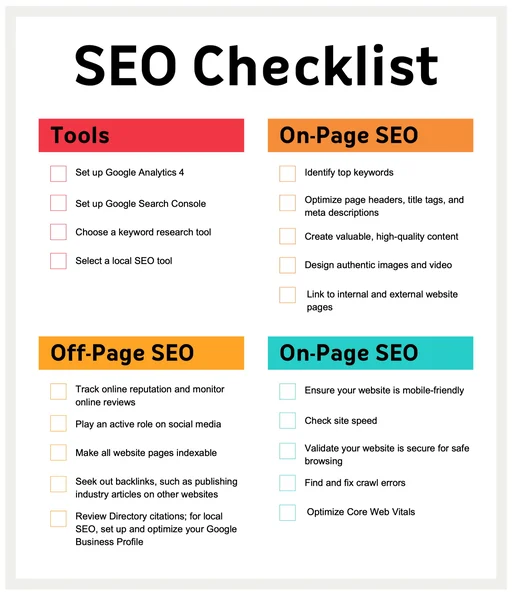
A solid foundation of SEO would make every optimization decision you make in the future to provide long-term and sustainable returns rather than temporary gains.
Understand How Search Engines Work
Novice online marketers should learn the functioning of search engines before delving into strategies. Google and other search engines, such as Yahoo, have crawlers that go through websites and index the content and rank the pages by relevancy and authority. They are the keywords, user experience, backlinks, and technical performance. By being aware of this fundamental procedure, you will be able to make wiser decisions in your SEO and concentrate on the aspects of your strategy that the search engines consider when ranking and evaluating websites.
Perform Proper Keyword Research
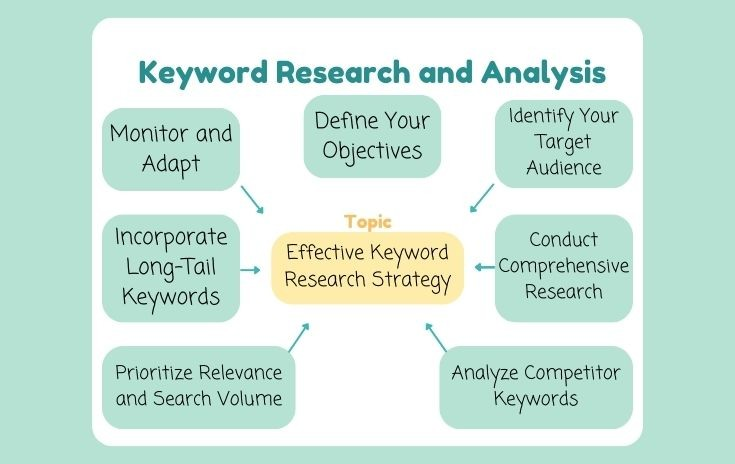
The basis of SEO is the research of keywords. Rather than making assumptions about what people are searching, use the help of such tools as Google Keyword Planner, Ubersuggest, or Ahrefs to find the relevant keywords with high search volume and easy-to-manage competition. It is recommended to focus on long-tail keywords, particularly as a former, since they are easier to rank. Select keywords that serve user intent information, transactional, or navigational to get the right audience.
Analyze Search Intent Carefully

The concept of search intent is essential in the ranking of success. Each keyword captures the desire of the user- information, a product, or a particular site. Research the highest ranking pages of your target keyword and note the trends in the type and form of content. In case the majority of the findings are posted on blogs, then create a blog post. In the event that they are product pages, then align your content. Relevance is enhanced by matching intent, and rank potential is improved.
Optimize Title Tags Strategically
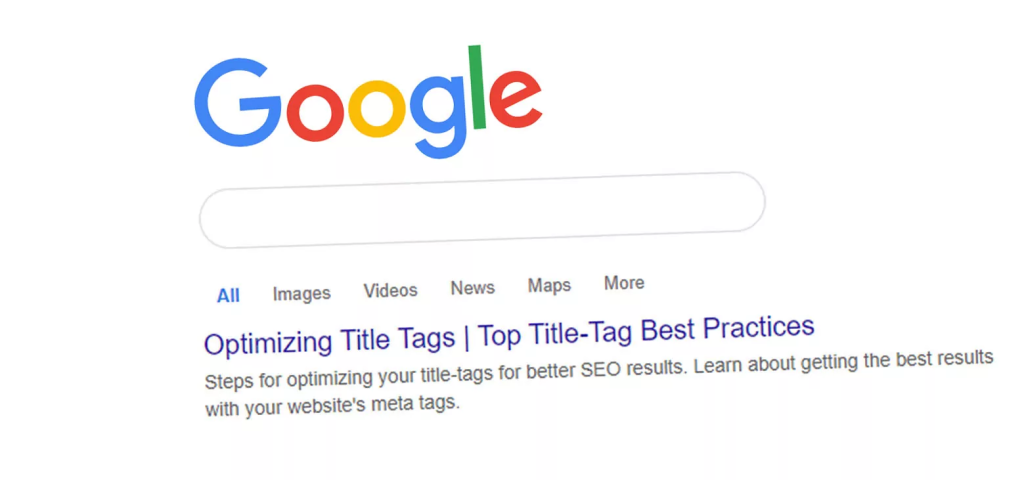
One of the most crucial factors of the on-page SEO is your title tag. It informs the search engines and the user about what your page is all about. Incorporate your keyword of importance in the title naturally and avoid having more than 60 characters, as this will be truncated in the search results. Make interesting headlines that attract clicks. A good title increases the click-through rates, and this can positively work on the rankings in the long run.
Create High-Quality, Valuable Content

Successful SEO is comprised of content. Concentrate on the genuine challenges, resolving questions of interest, and delivering value to action. Create detailed long-ranged articles that discuss topics exhaustively. Do not use thin or duplicate content. Good content attracts a backlink automatically, increases the user engagement period, and decreases the bounce rate. It is also important that you be consistent in publishing valuable content, which helps to build your authority over time on your website.
Improve Website Loading Speed

Confirmed ranking factor is page speed. Websites that are slow are annoying to users, and they raise the bounce rates. Performance can be analyzed with such tools as Google Page Speed Insights. Optimize pictures, browser caching, and reduce redundant scripts. A quick site also makes navigation easier and increases the ranking on the search engine. The issue of speed optimization is particularly relevant to mobile users, as they want to have fast and smooth ways to navigate.
Ensure Mobile-Friendliness

The majority of users access websites using mobile phones. Google relies on mobile-first indexing, which implies that the company mainly uses the mobile version of your site in the ranking. Ensure that your design is not too complicated, the text is not difficult to read without zoom, and the buttons are simple to tap. Test your site on various size screens. A mobile-friendly site will enhance user interaction and increase your ability to rank better.
Use Internal Linking Effectively
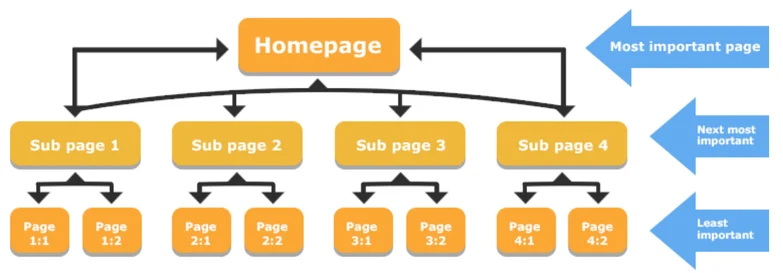
Internal links are links that relate to your web pages. They facilitate search engines in finding new material and understanding the relationship between pages. Also, attach the articles that are related to what you write with descriptive words as anchor texts, but not a generic phrase like click here. Internal linking spreads page power and helps visitors to spend more time on your site, which raises the level of engagement and decreases the bounce rate.
Build Quality Backlinks
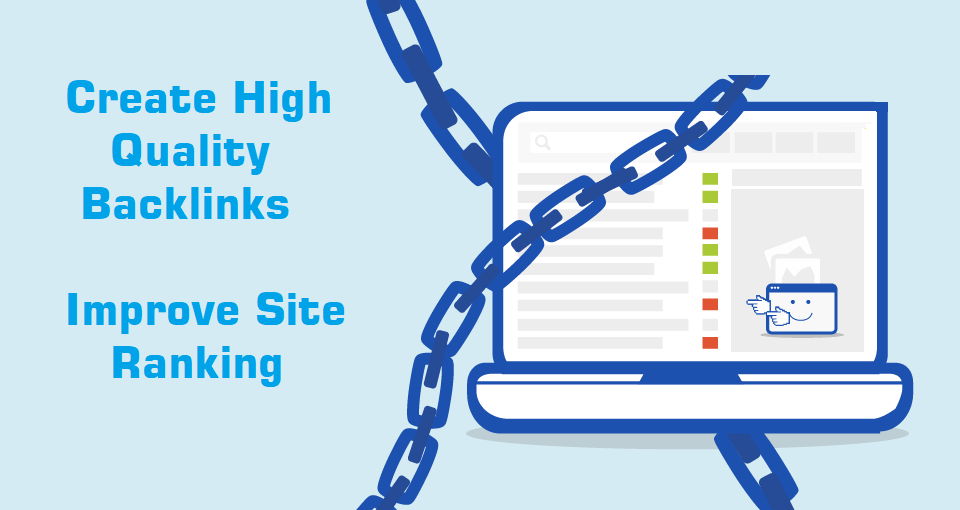
Backlinks are still among the best ranking factors. Instead of concentrating on the cheap schemes of getting links, concentrate on the reputable and relevant websites. You can get natural backlinks through guest posting, developing content to share, and relationships within your niche. It is quality and not quantity. Some authoritative backlinks would go a long way in enhancing your domain authority and search rankings.
Final Thoughts
SEO is not always very simple, and this is why following a proven SEO checklist for beginners makes the process far less complicated. Keyword research, content quality, technical optimization, and regular monitoring help beginners develop a solid SEO foundation that attracts long-term traffic. It is better to start with a clear SEO checklist for beginners, apply it step by step, and continuously refine your strategy. Through consistent effort an