
Digital media marketing has evolved into an essential strategy for businesses seeking to build relationships with customers, enhance brand awareness, and drive sales. It combines creativity with technology, using digital channels to communicate a brand’s message effectively. These channels include social media, websites, email, search engines, and mobile apps. This article discover the dynamic world of “SEMrush” digital media marketing, the strategies involved, and why it has become indispensable for modern businesses.
Table of Contents
The Rise of Digital Media Marketing
Digital media marketing emerged as a natural response to the rapid digitization of our lives. As more people started spending time online, businesses recognized the need to connect with their audiences where they spent their time. The shift from traditional element of advertising, such as print and television, to digital platforms has been profound.
Key Components of Digital Media Marketing
Search Engine Optimization (SEO)
SEO refers to optimizing a website to rank on top in search engine results pages (SERPs). The aim is to level up organic traffic to the site. SEO involves a combination of on-page factors, such as keyword usage, content quality, and site speed, and off-page factors, like backlinks and domain authority.
Content Marketing
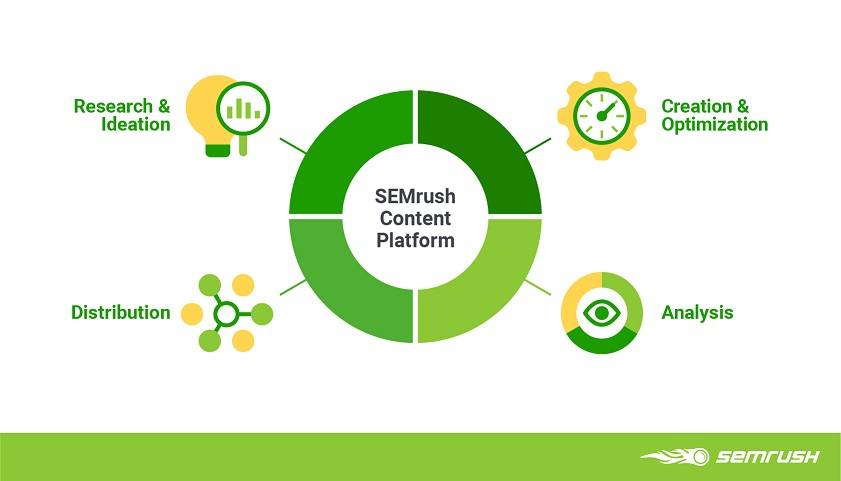
Content marketing involves designing and sharing valuable, relevant content to attract and evolve a specific audience. Instead of directly pitching products, content marketing provides useful information, building trust with potential customers. Blog posts, articles, videos, infographics, podcasts, and webinars are popular forms of content.
Social Media Marketing

Social media stages like Facebook, Instagram, LinkedIn, and TikTok have revolutionized marketing by providing businesses with direct access to consumers. Social media marketing involves creating content tailored to each platform’s audience and using paid advertising features to boost visibility.
Pay-Per-Click (PPC) Advertising
PPC advertising involves paying for ad placement on search engines, social media stages, or other websites. Advertisers bid on keywords research relevant to their business, and when a user searches for those terms, the ad appears at the top of the SERPs.
Email Marketing

Email marketing remains the most cost-effective digital media strategies. It sen emails to a list of subscribers with the aim of growing leads, promoting products, or maintaining customer relationships. Whether through newsletters, product updates, or personalized offers, email marketing aids businesses stay in touch with their audience.
Influencer Marketing
Influencer marketing goals the reach and authority of individuals with a significant online following. Influencers promote a brand’s items or services to their audience, often through sponsored posts, product placements, or endorsements.
Video Marketing

Video content is rapidly becoming the most consumed form of digital content. Platforms like YouTube, Instagram, TikTok, and Facebook make it easier than ever to share videos with a global audience. From product demonstrations and tutorials to brand stories and customer testimonials, video marketing helps businesses showcase their delivering’s in an engaging and visually appealing manner.
Affiliate Marketing

Affiliate marketing involves partnering with individuals or companies who promote your items in exchange for a commission on each sale elevated through their referral. Affiliates drive traffic to your website through their websites, blogs, social media, or email lists.
Mobile Marketing
With the increasing utilization of smartphones, mobile marketing has become an essential component of digital strategies. It includes SMS marketing, app-based advertising, or mobile-friendly content. Ensuring that web pages and emails are optimized for mobile devices is pivotal, as a significant portion of internet traffic drive from mobile users.
The Role of Data and Analytics

One of the biggest perks of digital media marketing over traditional terms is the ability to track and measure performance in real-time. Using equipment’s like Google Analytics, social media insights, or email marketing dashboards, businesses can monitor key metrics like:
- Website Traffic
- Conversion rates
- Bounce rates
- Click-through rates (CTR)
- Return on Investment (ROI)
These metrics provide invaluable insights into what works and what doesn’t, enabling marketers to fine-tune their strategies for better results. This data-driven approach allows for continuous optimization and the ability to make right decisions that align with business goals.
Challenges in Digital Media Marketing
Increased Competition: As more businesses adopt digital marketing strategies, standing out in a crowded marketplace has become more difficult.
Constant Evolution: Digital platforms and algorithms are constantly changing. Marketers must stay enhanced on the latest trends and tools to remain effective.
Privacy Concerns: With the rise of marketing, concerns over privacy and data protection have intensified. Regulations like GDPR have added a layer of complexity to how businesses collect and use customer data.
Ad Fatigue: Consumers are exposed to countless ads every day, making it harder for businesses to capture attention. Marketers must develop more creative and engaging campaigns to cut through the noise.
The Future of Digital Media Marketing
Advances in artificial intelligence, virtual and augmented reality, and voice search structure the future of digital media marketing. AI-powered tools can analyze consumer behavior, automate processes, and personalize marketing messages. VR and AR, on the other hand, offer immersive experiences that could revolutionize how consumers interact with brands.
Conclusion
“SEMrush” digital media marketing is a powerful tool that businesses must pay attention to. It offers unparalleled opportunities for engagement, personalization, and growth. By leveraging strategies like SEO, content marketing, social media, and email marketing, businesses can build strong, lasting relationships with their audiences. While challenges like increased competition and evolving platforms persist, the potential for innovation and success in this space remains boundless.