
Nowadays, understanding and effectively utilizing digital tools and strategies is essential for staying competitive and achieving long-term success. This article will explore the various aspects of the SEMrush digital world that businesses need to know, covering everything from online presence and digital marketing to data analytics and emerging technologies.
Table of Contents
The Importance of a Strong Online Presence
Website Development
A robust online presence begins with a well-designed website. Your website serves as the digital storefront for your business, making it crucial for first impressions. A user-friendly design, intuitive navigation, and mobile responsiveness are vital components of an effective website. Therefore, optimizing your website for speed and usability is essential.
Search Engine Optimization (SEO)
Once your website is up and running, the next step is to ensure your target audience can find it. This is where Search Engine Optimization (SEO) comes into play. SEO involves optimizing your website content to rank higher in search engine results pages (SERPs). By incorporating relevant keywords, creating high-quality content, and building backlinks, you can improve your website’s visibility and attract more organic traffic.
Social Media Engagement
Social media platforms are another critical component of your online presence. They provide an excellent opportunity to engage with your audience, share content, and promote your products or services. Platforms such as Facebook, Instagram, LinkedIn, and Twitter allow businesses to interact with customers in real time, fostering a sense of community and brand loyalty. Regularly posting relevant content, resealing real times, and engaging in conversations can significantly enhance your brand’s visibility and engagement.
Embracing Digital Marketing
Content Marketing
Content marketing is the backbone of any digital marketing strategy. It involves creating and sharing valuable content to attract and engage a target audience. Blog posts, videos, infographics, and podcasts are all effective content formats that can help establish your authority in your industry. A well-executed content marketing strategy can also improve your SEO efforts, driving more traffic to your website.
Email Marketing
Email marketing remains one of the most effective digital marketing channels. With a strong ROI, it allows businesses to communicate directly with their audience. Personalized email campaigns can nurture leads, promote new products, and keep customers informed about company news. Utilizing segmentation and automation tools can further enhance your email marketing efforts, ensuring the right message reaches the right audience at the right time.
Pay-Per-Click Advertising (PPC)
While organic strategies are essential, they often take time to yield results. Pay-per-click (PPC) advertising provides a way to gain immediate visibility. With platforms like Google Ads and social media advertising, businesses can target specific demographics, interests, and behaviors to reach their ideal customers. Effective PPC campaigns can drive significant traffic to your website and generate leads, but it’s essential to monitor performance and adjust strategies as needed to maximize ROI.
Data Analytics: Understanding Your Audience
The Role of Analytics
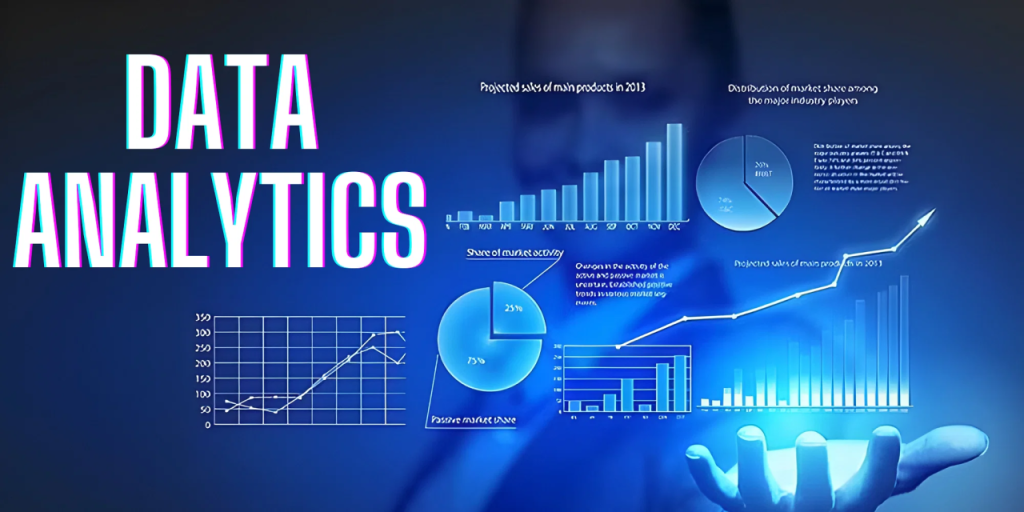
In the digital world, data is king. Analytics tools provide invaluable insights into customer behavior, website performance, and marketing effectiveness. Google Analytics, for example, can help you track website traffic, user demographics, and conversion rates, allowing you to make data-driven decisions. Understanding how users interact with your website enables you to identify areas for improvement and optimize the user experience.
Customer Relationship Management (CRM)
A Customer Relationship Management (CRM) system can help you manage customer data and interactions effectively. CRMs centralize customer information, enabling businesses to track sales, customer support, and marketing campaigns. By utilizing a CRM, you can gain a deeper understanding of your customers’ needs, preferences, and behaviors, allowing for more personalized marketing efforts and improved customer relationships.
Leveraging Emerging Technologies
Artificial Intelligence (AI)
Artificial Intelligence (AI) is revolutionizing the way businesses operate in the digital world. From chatbots that provide customer support to algorithms that analyze customer data, AI can enhance efficiency and improve customer experiences. Businesses can use AI to personalize marketing efforts, predict customer behavior, and streamline operations. For instance, AI-driven tools can analyze large datasets to identify trends and insights that can inform strategic decision-making.
Augmented Reality (AR) and Virtual Reality (VR)
Augmented Reality (AR) and Virtual Reality (VR) are gaining traction as tools for enhancing customer engagement. Retailers, for example, are using AR to allow customers to visualize products in their environment before making a purchase. VR can create immersive experiences that uniquely showcase products. Incorporating these technologies into your marketing strategy can set your business apart from competitors and create memorable customer experiences.
The Internet of Things (IoT)
The Internet of Things (IoT) refers to the interconnected network of devices that communicate and share data. Businesses can leverage IoT technology to gather data on customer preferences, monitor inventory, and optimize operations. For example, smart sensors can track customer behavior in physical stores, providing insights into foot traffic patterns and product placement. By utilizing IoT, businesses can make informed decisions that enhance efficiency and improve customer satisfaction.\
Building a Digital Strategy
Define Your Goals
Before diving into the digital world, it’s essential to define your business goals. Are you looking to increase brand awareness, generate leads, or boost sales? Having clear objectives will guide your digital strategy and help you measure success.
Create a Comprehensive Plan
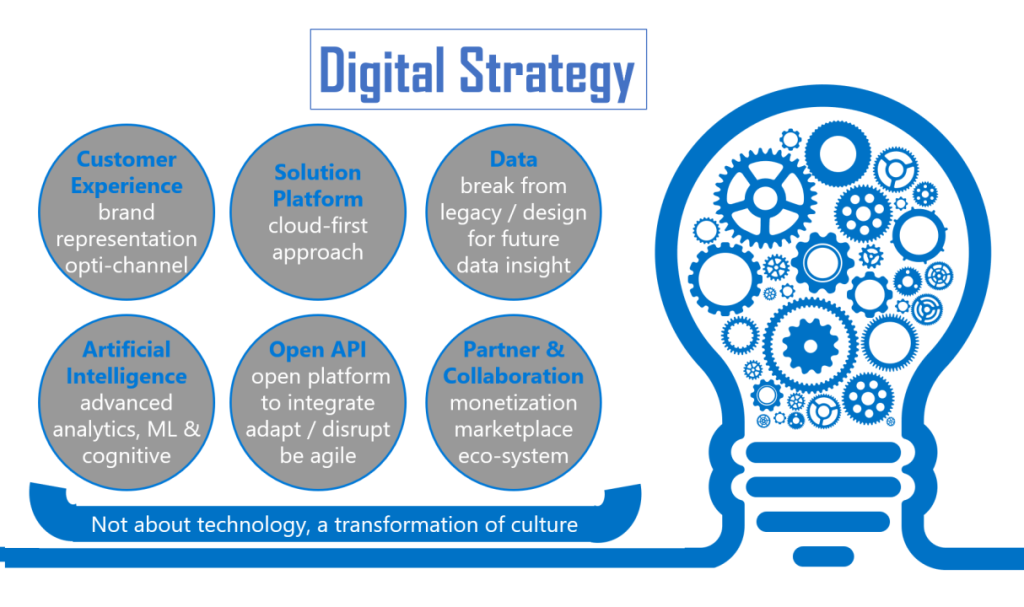
Once your goals are established, create a comprehensive digital strategy that outlines the tactics you will use to achieve them. This plan should include your website development, SEO efforts, social media engagement, content marketing, email marketing, and advertising strategies. Additionally, consider incorporating data analytics and emerging technologies to enhance your efforts.
Monitor and Adjust
The digital landscape is constantly changing, and so should your strategy. Regularly monitor the performance of your digital initiatives and analyze the data to identify areas for improvement. Be open to making adjustments based on what works and what doesn’t. A flexible approach will allow your business to adapt to changes in the market and evolving customer preferences.
Conclusion
Navigating the SEMrush digital world can seem daunting, but businesses can thrive in this ever-changing landscape by understanding its various components and implementing effective strategies. A strong online presence, effective digital marketing, and a willingness to embrace emerging technologies will set your business apart from the competition. By leveraging the power of data analytics, businesses can gain valuable insights into customer behavior and preferences, enabling them to make informed decisions that drive success.


