

Blockchain technology has emerged as one of the most transformative innovations of the 21st century, often associated with digital currencies but extending far beyond them. At its simplest, a “beginner guide to blockchain technology” is a digital ledger that records transactions in a secure, transparent, and decentralized manner. Unlike traditional systems where a central authority manages data, blockchain relies on a distributed network of computers to validate and store information. This shift from centralized control to decentralized systems is what makes blockchain unique and revolutionary.
Table of Contents
The Basic Structure of Blockchain

A blockchain is made up of a series of blocks, each containing a list of transactions. These blocks are linked together in chronological order, forming a continuous chain. This linking mechanism ensures that all blocks are interconnected. If someone tries to alter the data in one block, its hash changes, which breaks the chain unless all subsequent blocks are also altered. This structure provides a high level of security and makes blockchain resistant to tampering.
How Blockchain Works in Practice

To understand “how blockchain works“, consider a simple transaction process. When a user initiates a transaction, it is broadcast to a network of computers known as nodes. These nodes validate the transaction using predefined rules. Once verified, the transaction is grouped with others into a block. The network then uses a consensus mechanism to agree that the block is valid. After consensus is reached, the block is added to the blockchain, and the transaction becomes permanent.
Key Concepts Every Beginner Should Know

Several key concepts form the foundation of blockchain technology. Decentralization means that no single entity controls the network, reducing the risk of manipulation. Transparency allows all participants to view transactions, fostering trust among users. Immutability ensures that once data is recorded, it cannot be changed, providing a reliable record of transactions.
Cryptography plays a crucial role in securing data, using complex algorithms to protect information. Another important concept is consensus mechanisms, which are methods used by the network to agree on the validity of transactions.
Types of Blockchain Networks

Blockchain networks can be categorized into different types based on their access and control. Public blockchains are open to anyone and operate without permission, making them fully decentralized. Examples include networks used for cryptocurrencies. Private blockchains are restricted to specific participants and are often used by organizations for internal purposes. Consortium blockchains are managed by a group of organizations, combining decentralization with controlled access. Hybrid blockchains offer a mix of public and private features, allowing organizations to maintain privacy while benefiting from transparency where needed.
Popular Uses of Blockchain Technology

While blockchain gained popularity through cryptocurrencies, its applications extend to many industries. In finance, it enables faster and cheaper transactions, especially for cross-border payments. In supply chain management, blockchain helps track products from origin to destination, ensuring authenticity and reducing fraud. The healthcare industry uses blockchain to securely store patient records and improve data sharing.
In voting systems, it enhances transparency and reduces the risk of manipulation. Other areas such as real estate, insurance, and digital identity management are also exploring blockchain solutions to improve efficiency and trust.
Advantages of Blockchain Technology

Blockchain offers numerous advantages that make it appealing across industries. One of its biggest strengths is security, as data is encrypted and distributed across multiple nodes. This makes it extremely difficult for hackers to compromise the system. Another advantage is transparency, as all transactions are visible to participants, reducing the chances of fraud.
Blockchain also eliminates intermediaries, which lowers costs and speeds up processes. Additionally, its decentralized nature ensures that there is no single point of failure, making the system more resilient.
Challenges and Limitations
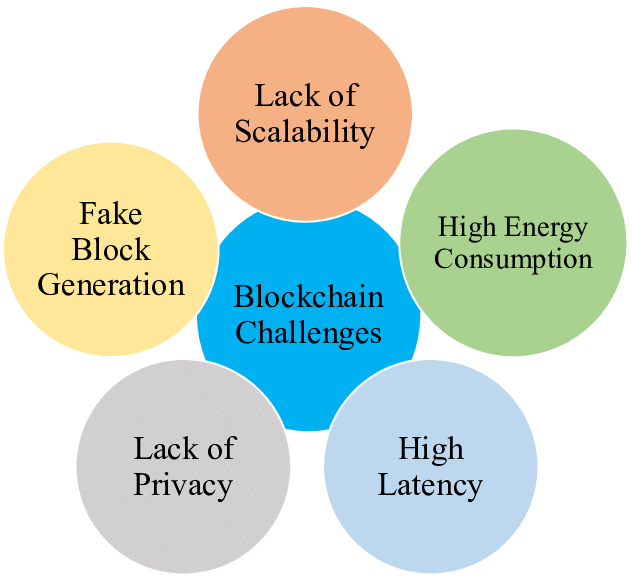
Despite its benefits, blockchain technology faces several challenges. Scalability is a major issue, as processing large volumes of transactions can slow down the network. Energy consumption is another concern, particularly in systems that rely on energy-intensive consensus mechanisms.
Regulatory uncertainty also poses a challenge, as governments are still developing frameworks to manage blockchain-based systems. Furthermore, the technology is still evolving, and there is a lack of standardization, which can hinder widespread adoption. Understanding these limitations is important for beginners to have a balanced perspective.
Blockchain and Cryptocurrencies

Blockchain is often closely associated with cryptocurrencies, which are digital currencies that use blockchain technology to operate. Cryptocurrencies rely on blockchain to record transactions and ensure security without the need for a central authority.
While cryptocurrencies are one of the most popular applications of blockchain, they represent only a small part of its potential. Blockchain can be used for various purposes beyond digital money, including smart contracts, decentralized applications, and secure data sharing.
What Are Smart Contracts?

Smart contracts are self-executing contracts with terms written directly into code. They automatically execute actions when predefined conditions are met. For example, a smart contract could release payment once goods are delivered.
This eliminates the need for intermediaries and reduces the risk of disputes. Smart contracts are widely used in blockchain platforms and have the potential to revolutionize industries such as finance, legal services, and supply chain management by automating processes and increasing efficiency.
The future of blockchain technology is promising, with ongoing advancements aimed at addressing current challenges. Innovations in scalability, such as new consensus mechanisms and layer-two solutions, are helping improve performance. Efforts to reduce energy consumption are also underway, making blockchain more environmentally friendly.
Integration with other technologies like artificial intelligence and the Internet of Things is expected to unlock new possibilities. As more businesses and governments adopt blockchain, it is likely to become a fundamental part of the digital economy.
Conclusion
“A beginner’s guide to blockchain technology is a powerful innovation that has the potential to transform” how data and transactions are managed. By providing a secure, transparent, and decentralized system, it eliminates the need for intermediaries and builds trust through technology. While it comes with challenges, its advantages and growing range of applications make it an important area to understand. For beginners, learning the basics of blockchain is the first step toward exploring its vast potential and opportunities in the modern digital world.


