
Technology is evolving at an unprecedented pace, transforming industries, economies, and everyday life. From artificial intelligence to quantum computing, the digital landscape is undergoing rapid change. The year 2026 marks a shift from experimental innovation to practical implementation, where technologies are not only emerging but also delivering real-world value. This article explores “what are the latest technology trends in 2026” that are shaping the future and redefining how businesses and individuals interact with technology.
Table of Contents
1. Artificial Intelligence and Agentic AI
Artificial Intelligence (AI) continues to dominate as the most influential technology trend. However, the focus has shifted from basic automation to agentic AI, where systems can independently make decisions, plan actions, and execute tasks with minimal human intervention. These AI agents are now capable of managing workflows, analyzing data, and even interacting with users in a human-like manner.
Organizations are integrating AI into customer service, healthcare, finance, and logistics. AI agents can now handle complex processes such as scheduling, decision-making, and predictive analysis, significantly improving productivity. Reports suggest that AI-driven workflows and multi-agent systems are becoming standard in enterprises, enhancing efficiency and scalability.
2. Physical AI and Robotics
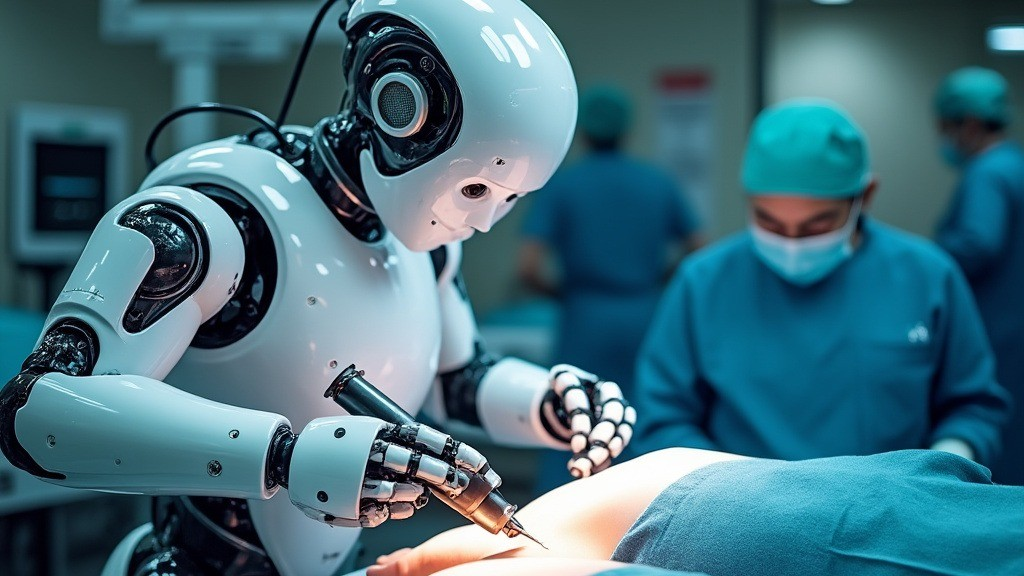
A major emerging trend is the rise of physical AI, which brings artificial intelligence into the physical world through robots and smart machines. Unlike traditional AI systems that operate digitally, physical AI interacts with real-world environments, enabling automation in manufacturing, healthcare, and logistics.
Advancements in sensors, hardware, and machine learning are enabling robots to perform complex tasks with precision. From warehouse automation to surgical robots, physical AI is transforming industries that rely on physical labor. Companies are increasingly investing in robotics to improve efficiency and reduce operational costs, making this a critical trend for the future.
3. Edge Computing and Edge AI
Edge computing is revolutionizing how data is processed by bringing computation closer to the source of data generation. Instead of relying solely on cloud servers, edge computing allows devices such as smartphones, sensors, and cameras to process data locally.
This trend is closely tied to edge AI, where artificial intelligence models run directly on devices. This approach reduces latency, enhances privacy, and lowers costs associated with cloud computing. For example, autonomous vehicles and smart surveillance systems rely on edge AI for real-time decision-making. The growth of AI-enabled devices highlights the increasing importance of this trend in modern technology ecosystems.
4. Internet of Things (IoT) and AIoT
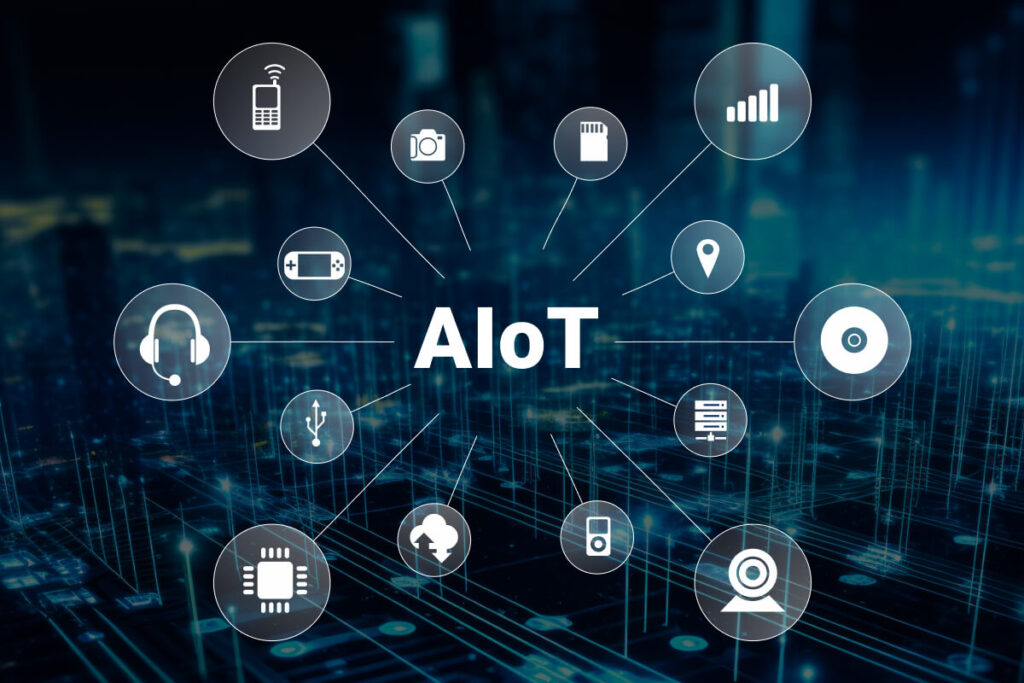
The Internet of Things (IoT) continues to expand, connecting billions of devices worldwide. However, the latest trend is the integration of AI with IoT, known as AIoT (Artificial Intelligence of Things). This combination enables devices not only to collect data but also to analyze and act on it intelligently.
In industries such as manufacturing, healthcare, and retail, AIoT is driving automation and efficiency. Smart factories can detect defects in real time, while smart homes can optimize energy usage. The shift toward scalable, secure, and intelligent IoT ecosystems is a key focus in 2026, emphasizing long-term sustainability and operational value.
5. Blockchain and Web3 Technologies
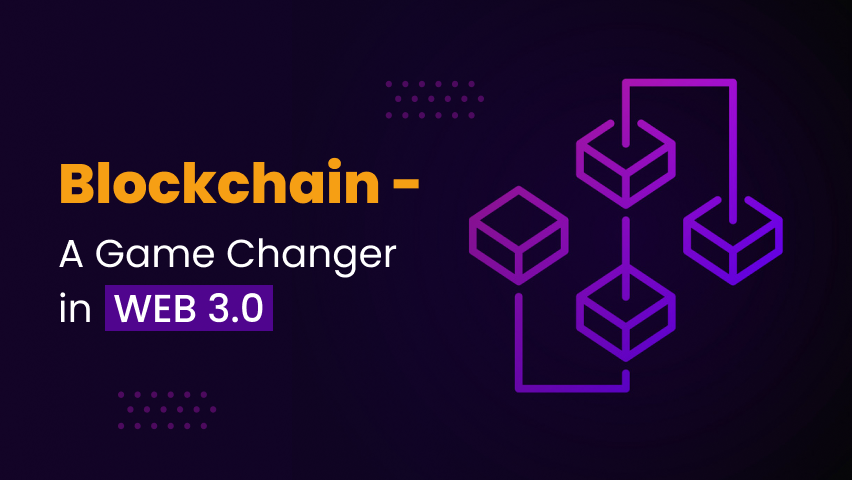
Blockchain technology is evolving beyond cryptocurrencies into a broader ecosystem known as Web3. This decentralized approach aims to give users more control over their data and digital identities. Blockchain is being used in supply chain management, finance, healthcare, and even voting systems.
One of the major trends is the integration of blockchain with IoT and AI, enabling secure and transparent data exchange. However, challenges such as scalability and energy consumption still need to be addressed. Innovations like Layer 2 solutions and hybrid architectures are helping overcome these limitations, making blockchain more practical for large-scale applications.
6. 6G and Advanced Connectivity
While 5G is still being deployed globally, researchers and companies are already working on 6G technology, which promises even faster speeds, lower latency, and greater connectivity. This next-generation network will enable innovations such as smart cities, autonomous vehicles, and immersive digital experiences.
As connectivity improves, the integration of digital and physical worlds will become more seamless, opening new opportunities for innovation.
7. Cybersecurity and Post-Quantum Security

As technology advances, so do cybersecurity threats. The rise of AI-powered cyberattacks and deepfakes has made traditional security measures less effective. In response, organizations are adopting advanced cybersecurity solutions, including biometric authentication and zero-trust architectures.
Another emerging trend is post-quantum security, which aims to protect data from potential threats posed by quantum computers. As quantum computing develops, existing encryption methods may become vulnerable, making it essential to develop new, quantum-resistant algorithms.
8. Quantum Computing
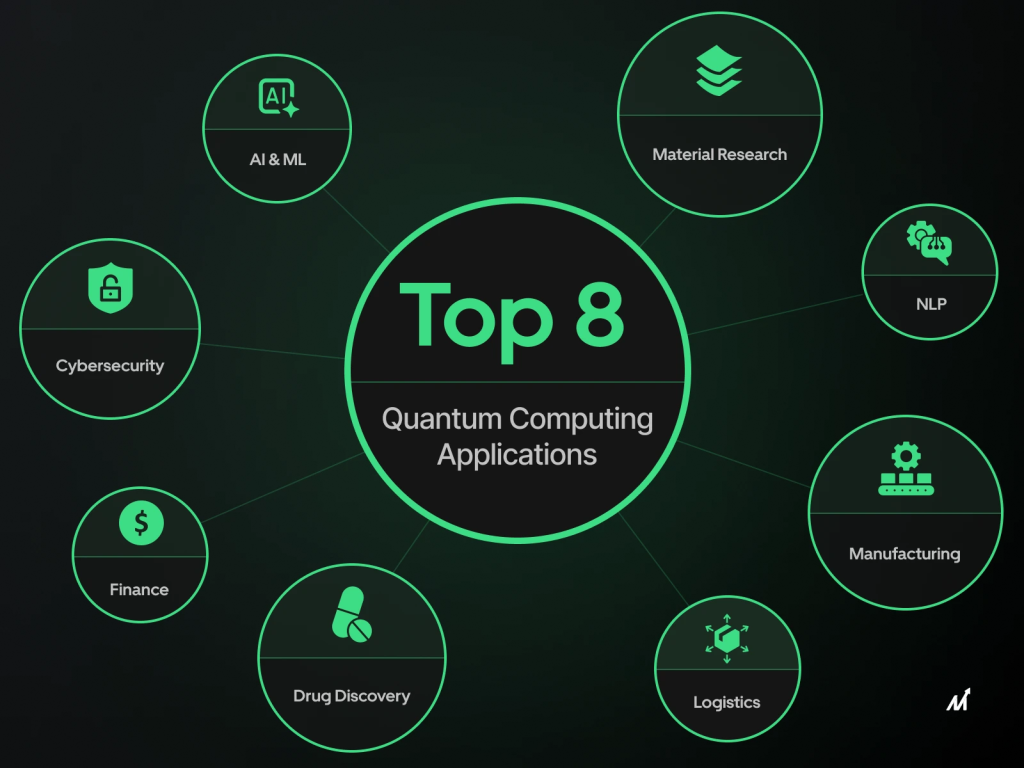
Quantum computing is still in its early stages, but it holds immense potential for solving complex problems that are beyond the capabilities of classical computers. Industries such as pharmaceuticals, finance, and logistics are exploring quantum computing for applications like drug discovery, optimization, and risk analysis.
Although widespread adoption may take time, ongoing research and investment indicate that quantum computing will play a significant role in the future of technology. Its ability to process vast amounts of data at unprecedented speeds could revolutionize multiple sectors.
9. AI Infrastructure and Cloud Evolution
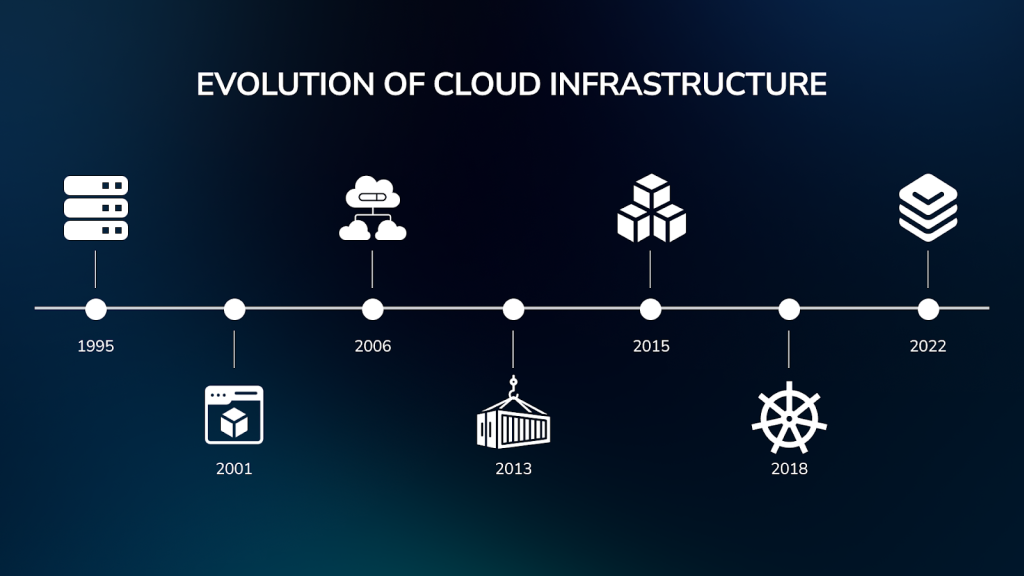
Cloud computing is evolving to support the growing demands of AI and data-driven applications. Modern cloud platforms are becoming AI-first infrastructures, designed to handle machine learning workloads, big data analytics, and real-time processing.
Hybrid and multi-cloud strategies are gaining popularity, allowing organizations to balance performance, cost, and flexibility. Additionally, serverless computing and microservices architectures are enabling faster development and deployment of applications.
10. Wearable Technology and Smart Devices
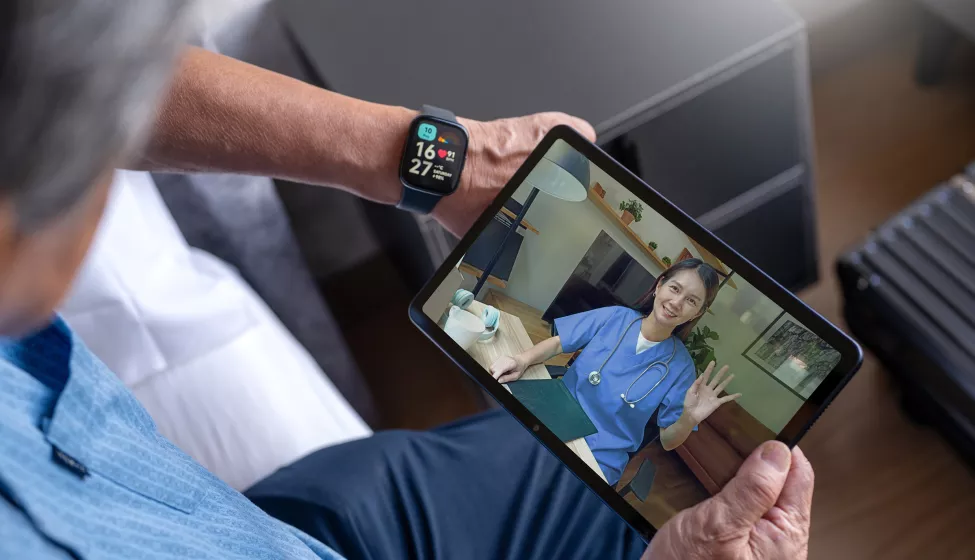
Wearable technology is becoming more advanced, integrating AI to provide personalized experiences. Devices such as smartwatches, fitness trackers, and smart glasses are evolving into powerful tools for health monitoring, communication, and productivity.
The global wearable technology market is expected to grow significantly, driven by innovations in sensors, connectivity, and AI. These devices are not only enhancing convenience but also enabling new applications in healthcare, fitness, and entertainment. However, concerns about privacy and data security remain key challenges.
11. Sustainable and Green Technology
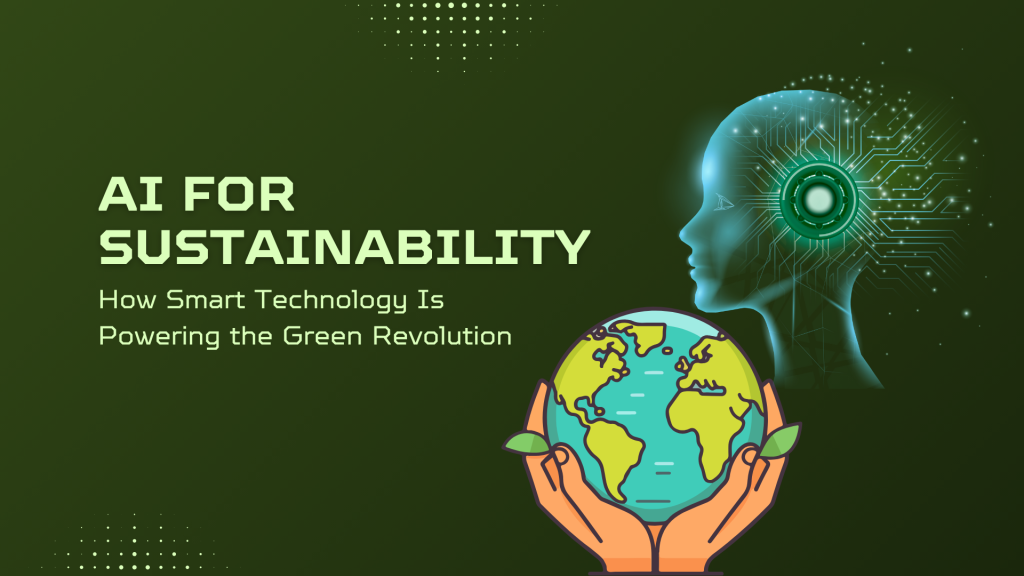
Sustainability is becoming a central focus in technology development. Companies are investing in energy-efficient data centers, renewable energy solutions, and green computing practices to reduce their environmental impact.
Technologies such as AI and IoT are being used to optimize energy consumption, monitor environmental conditions, and support sustainable practices. As climate change becomes a global concern, the demand for eco-friendly technology solutions is expected to grow significantly.
12. Human-Machine Interaction and Extended Reality
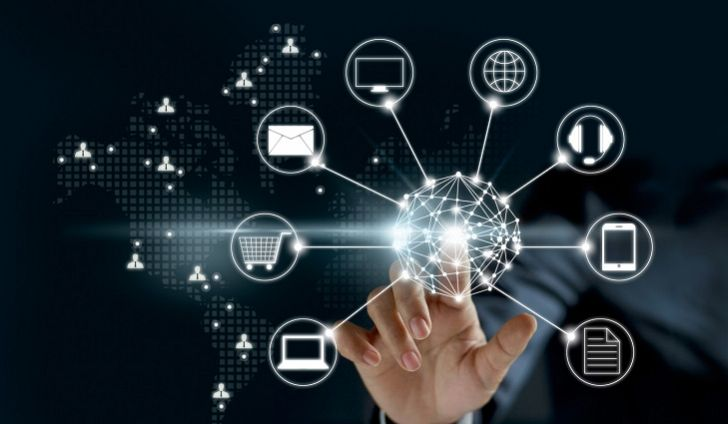
The way humans interact with technology is also evolving. Technologies like augmented reality (AR), virtual reality (VR), and mixed reality are creating immersive experiences in gaming, education, and training.
In addition, AI is improving human-machine interaction by enabling more natural communication through voice, gestures, and facial recognition. The focus is on creating intuitive and user-friendly interfaces that enhance productivity and user experience.
Conclusion
“Now you must have known what are the latest technology trends in 2026 highlight“, a shift toward integration, intelligence, and real-world application. Artificial intelligence is becoming more autonomous, while technologies like IoT, blockchain, and edge computing are converging to create interconnected ecosystems. At the same time, advancements in connectivity, cybersecurity, and sustainability are shaping a more secure and efficient digital future.
As these technologies continue to evolve, they will redefine industries, create new opportunities, and challenge existing norms. Staying informed about these trends is essential for individuals and organizations looking to thrive in an increasingly digital world.


