
Technology is advancing at a phenomenal rate that changes the way businesses are conducted and the way people live, work, and communicate. Modern innovations are making the future a reality in ways that were previously not thought of, through artificial intelligence and smart gadgets. It is crucial to keep up with the development of new technology trends to keep up with the ever-changing world as a business, professional, or even an individual. The following are some of the latest technology trends that are affecting the next digital environment.
Table of Contents
Artificial Intelligence and Machine Learning
One of the most powerful technologies in the modern world is Artificial Intelligence (AI) and Machine Learning (ML). These systems help machines to analyze data, find patterns, and make smart decisions with little involvement of human beings. The AI is employed in businesses to provide customer support, give proactive insights, or automate business operations. Chatbots and recommendation engines are only a few examples of how AI enhances efficiency and personalization. With these technologies, industries like healthcare, finance, retail, and manufacturing will keep changing as these technologies keep advancing.
The Rise of the Internet of Things (IoT)

The Internet of Things is a term that is used to describe a network of interconnected gadgets that communicate and exchange information via the internet. The IoT technology includes smart home appliances, portable fitness watches, and connected cars. Such devices contribute to the automation of daily activities and give useful data results. IoT is also used in processing industries like agricultural processing, healthcare, and logistics to enhance efficiency, monitoring, and decision-making, and create smarter and more responsive systems.
5G Connectivity Transforming Communication
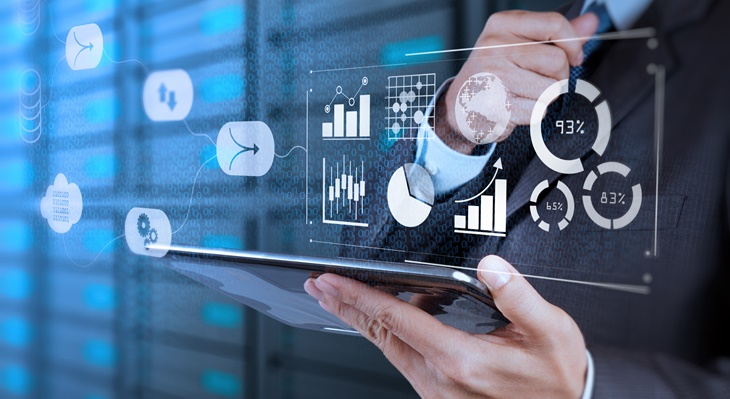
The 5G networks are transforming internet connectivity because they are much faster, with lower latency, and a more reliable connection. This enhanced network potential enables technologies such as self-driving cars, smart cities, and AR to work. Companies obtain an advantage of increasing data transmission speed and remote teamwork. With the 5G infrastructure going global, it will facilitate new digital experiences and accommodate more advanced technologies that assume the availability of real-time data processing.
Cloud Computing and Hybrid Work Environments

Cloud computing has now become a necessity in contemporary organizations. It is enabled to enable business to store and run applications and manage operations online instead of utilizing physical infrastructure. Cloud enables remote work, collaboration, and flexible business models. With the increasing hybrid work environments, organizations depend increasingly on cloud offerings to provide scalability, security, and cost-effectiveness. Startups and other small businesses can also compete with the rest of the world using limited resources through this technology.
Blockchain and Decentralized Systems
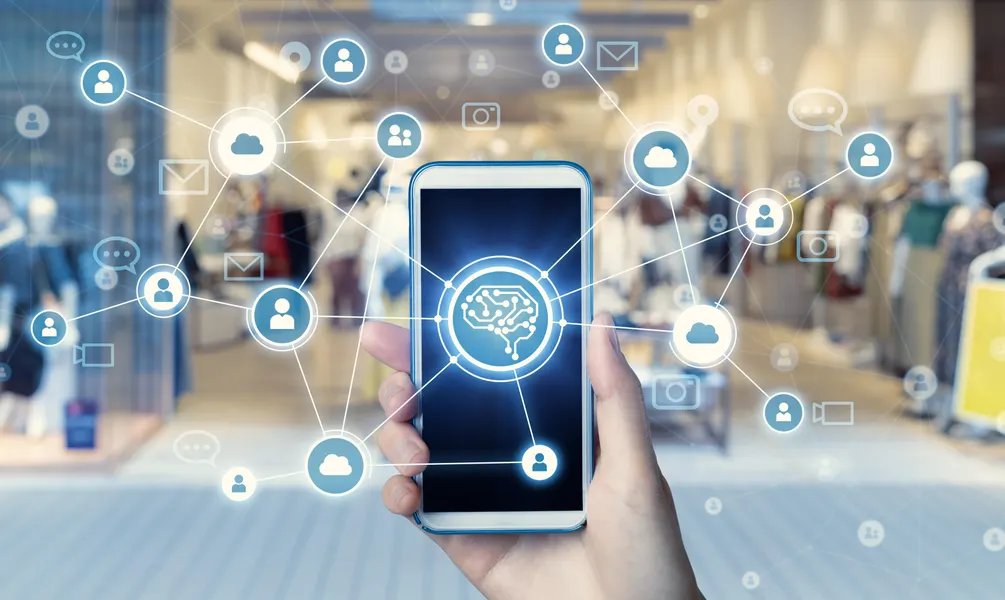
The blockchain technology is changing the way digital transactions are documented and authenticated. It establishes a safe and transparent system mechanism that cannot be changed and manipulated easily. Although it is famous as a proponent of cryptocurrencies, blockchain can be used in the area of supply chain management, the verification of digital identities, healthcare databases, and financial services. Its decentralized system enhances openness and trust, and it is a worthwhile technology for industries in need of efficient and secure systems.
Augmented Reality and Virtual Reality

Augmented Reality (AR) and Virtual Reality (VR) are reshaping digital experiences by blending the physical and virtual worlds. AR superimposes digital data over actual surroundings, whereas VR engulfs users with fully digital environments. The technologies have varied applications in gaming, educational, health training, and shopping experiences. AR and VR will keep developing in business, entertainment, and professional training as hardware is becoming more advanced and available.
Automation and Robotics in Industry

The manufacturing, logistics, and service sectors are changing due to automation and robotics. Robots do not have to worry about repetitive tasks as they can work with a lot of precision, and decrease the level of human labor and increase the productivity. Automated systems are also used to ensure that businesses reduce errors and maximize operational effectiveness. Robotics is increasing speed and safety in warehouses, factories, and even in hospitals. With more technology, automation is bound to contribute more to the future workforce and industrial work.
Edge Computing for Faster Data Processing

Edge computing is becoming a data processing method that involves processing data nearer to the point of generation as opposed to using centralized cloud servers. This strategy is less latent and offers better real-time processing of data. Efficient operation of technologies such as autonomous vehicles, smart cities, and industrial IoT relies on edge computing. The processing of data within organizations will enable them to have better performance, cut down on bandwidth consumption, and be more responsive to the entire system.
The Growth of Digital Health Technologies

The digital health technologies are changing healthcare services through telemedicine, wearable health, and AI-based diagnostics. Patients can remotely check their health with doctors having real-time health information to meet better treatment decisions. The technologies enhance accessibility and efficiency of healthcare, especially in remote locations. Digital health solutions will become extremely important in bettering the provision of care to patients and healthcare management as medical technology keeps on advancing.
Quantum Computing and Future Possibilities

Quantum computing is a technological advance in computing power. Contrary to the previous computers, which compute information using binary bits, quantum computers compute using quantum bits that are capable of doing some intricate calculations at new speeds. Quantum computing is still in its infancy, but it has the potential to transform many areas like cryptography and drug discovery, climate modelling, and financial analysis. This technology is able to address issues that are not yet possible with conventional computers.
Conclusion
The latest technology trends 2026 are shaping a future driven by innovation, connectivity, and digital transformation. Artificial intelligence and cloud computing, blockchain technology, and green technologies are among the technologies that are reinventing industries and life in general. Companies and individuals that keep up with these trends will be in a better position to take up new opportunities and challenges. With the ever-changing nature of technology, it will have even more power in determining the future world.


