
Technology shapes the way we live, work, and communicate. From the smartphones in our pockets to the satellites orbiting the Earth, technology is deeply woven into daily life. To understand its impact, it is important to explore how virtual reality technology works at a fundamental level and examine the many benefits it brings to society. Technology is not just about machines or devices; it is a system of tools, processes, and knowledge that humans use to solve problems and improve life.
Table of Contents
Understanding the Foundations of Technology
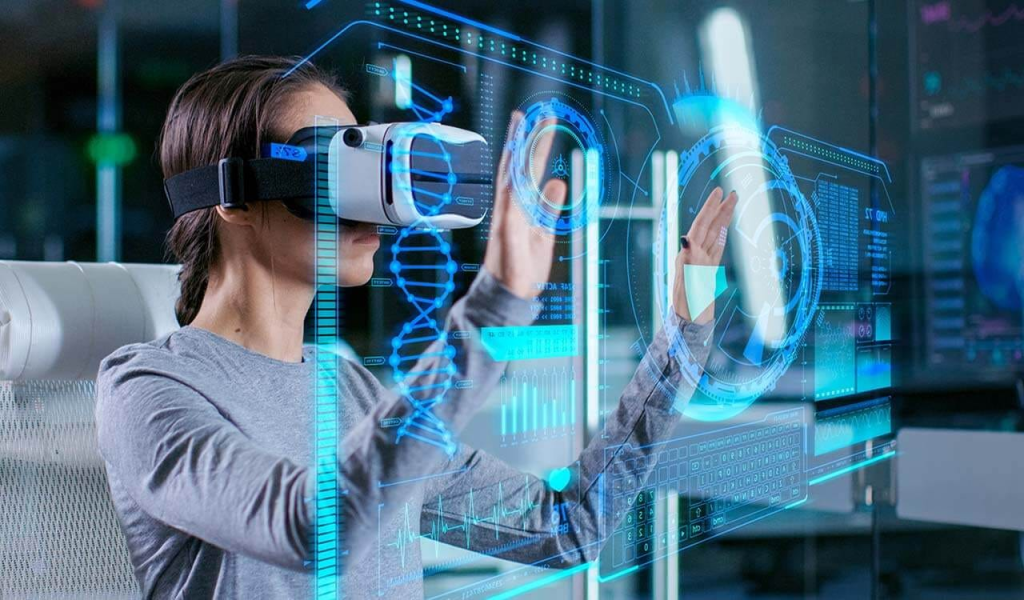
At its core, technology applies scientific knowledge to create tools and systems that perform specific tasks. Science helps us understand natural laws, while technology uses that understanding to build practical solutions. For example, the laws of electricity discovered by scientists allow engineers to design circuits that power computers, lights, and household appliances. Similarly, principles of physics enable the creation of vehicles and aircraft.
Another example is the smartphone, such as the iPhone. Inside a smartphone are microprocessors, memory chips, sensors, and communication modules. The processor acts as the brain, executing instructions from software applications. Sensors detect touch, movement, and light, while communication chips connect to cellular networks and Wi-Fi. All these components work together through carefully designed hardware and software integration.
The Role of Hardware and Software
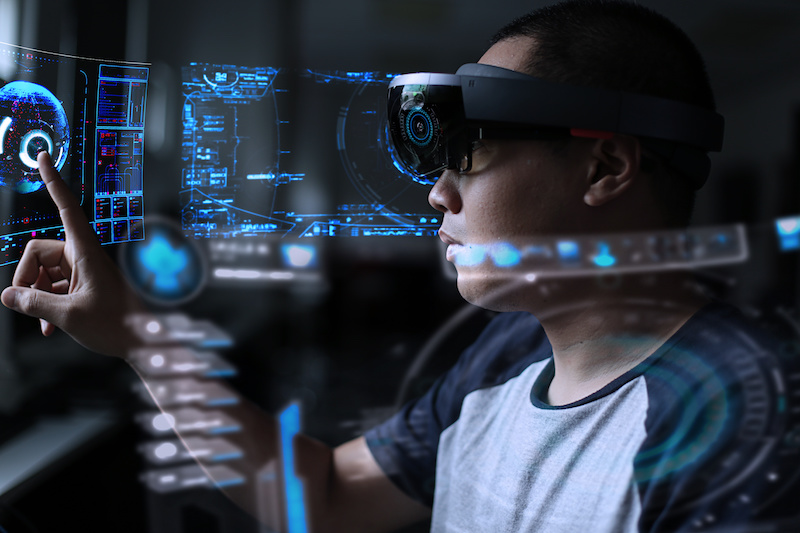
Technology typically consists of two main components: hardware and software. Hardware refers to the physical parts of a device, such as circuits, screens, and batteries. Software, on the other hand, consists of programs and operating systems that instruct hardware on what to do.
Take a computer running an operating system like Windows. The hardware includes the central processing unit (CPU), random-access memory (RAM), storage drives, and input devices like keyboards and mice. The operating system manages these resources, ensuring that applications run smoothly and efficiently. When you open a web browser, the software sends instructions to the hardware to display graphics, connect to networks, and process user input.
This interaction between hardware and software is what makes modern devices versatile. Without software, hardware would be useless metal and plastic. Without hardware, software would have no platform to run on. The combination allows users to perform tasks ranging from writing documents to editing videos and playing games.
Communication Technology and Connectivity

Communication technology works by transmitting information from one point to another using signals. These signals can travel through wires, fiber-optic cables, or wireless radio waves. In wireless communication, devices send encoded radio signals to nearby towers, which then relay the information through a network infrastructure.
Social media platforms such as Facebook operate on large data centers filled with servers. When a user uploads a photo, the image is stored on remote servers and made accessible to other users through internet protocols. Algorithms process data to personalize content, ensuring that users see posts relevant to their interests.
The development of 5G networks has further enhanced communication speed and reliability. Faster data transfer enables real-time video calls, remote work, and online collaboration across continents. Technology has effectively removed geographical barriers, making the world more connected than ever before.
Automation and Artificial Intelligence
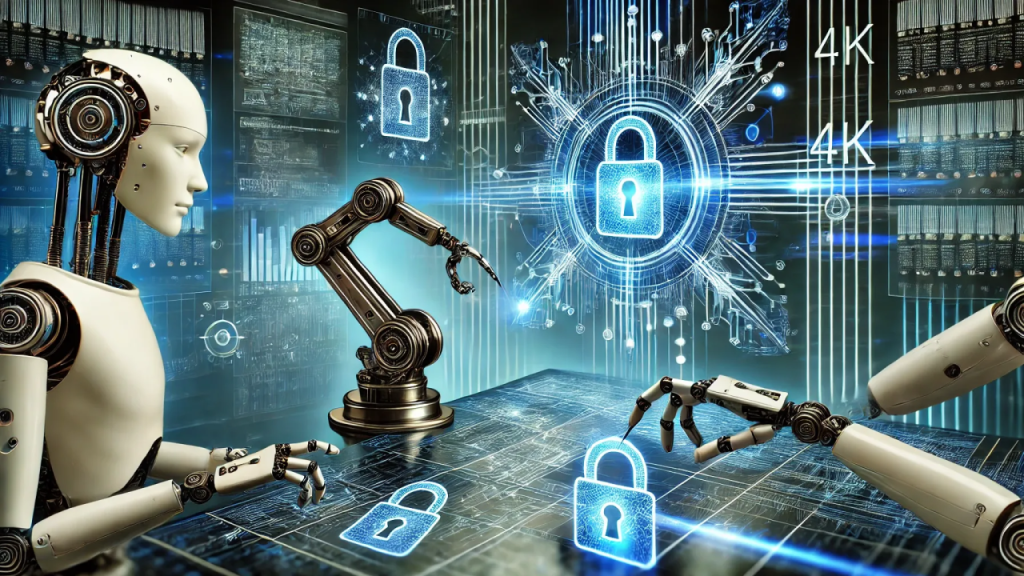
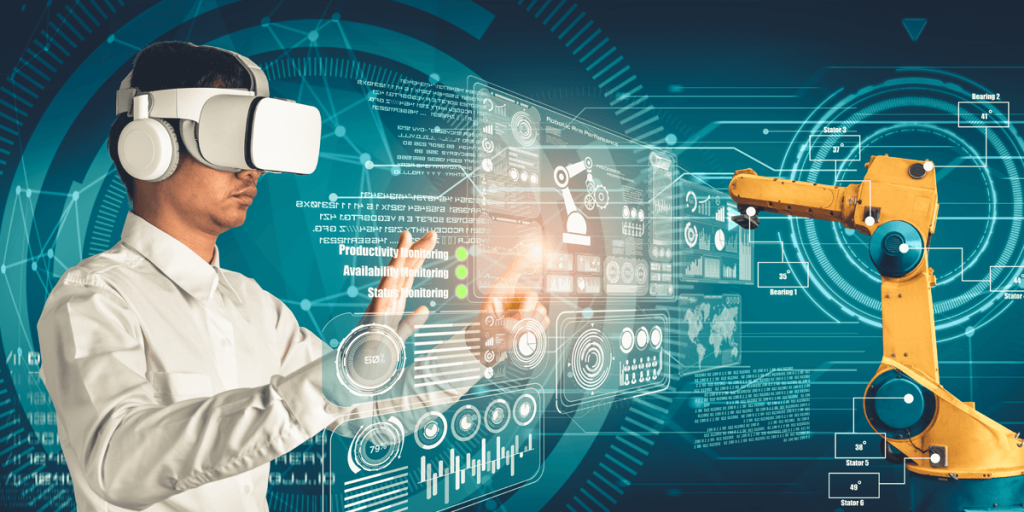
Automation is another important aspect of how technology works. Automation uses machines and software to perform tasks with minimal human intervention. In factories, robotic arms assemble cars with high precision and consistency. These systems rely on sensors, controllers, and programmed instructions to operate efficiently.
Artificial intelligence (AI) takes automation a step further by enabling machines to learn from data. AI models are trained using algorithms that adjust parameters based on input data. Over time, the system improves its performance without being explicitly programmed for every possible scenario.
AI powers virtual assistants, recommendation systems, and even medical diagnostic tools. By processing vast amounts of information quickly, AI can help humans make better decisions.
Benefits of Technology in Education
Technology has transformed education in significant ways. Digital learning platforms provide access to information beyond traditional textbooks. Students can attend online classes, watch recorded lectures, and interact with teachers through virtual classrooms.
Interactive software enhances understanding through simulations and visualizations. Instead of only reading about scientific experiments, students can observe virtual demonstrations. This approach caters to different learning styles and encourages self-paced study. Technology also bridges gaps for students in remote areas who may not have access to physical schools.
Virtual Reality Benefits of Technology in Healthcare

In healthcare, technology has improved diagnosis, treatment, and patient care. Doctors rely on these images to detect diseases early and plan treatments accurately.
Electronic health records enable hospitals to store and access patient information securely. Telemedicine platforms enable patients to consult doctors remotely, saving time and reducing travel. During global health crises, technology played a crucial role in tracking infections and rapidly disseminating information.
This ability to gather and analyze data in real time enhances global health management.
Benefits of Technology in Business and Economy

Technology drives economic growth by increasing productivity and creating new industries. Businesses use management software to organize operations, track sales, and analyze performance. E-commerce platforms allow companies to reach customers worldwide without physical stores.
Instead of investing heavily in physical infrastructure, businesses can scale resources up or down based on demand. This flexibility reduces costs and encourages innovation.
Automation in manufacturing reduces errors and increases output. Financial technology has simplified transactions, enabling digital payments and online banking. These advancements contribute to faster economic activity and improved customer experiences.
Social and Cultural Benefits
Technology has reshaped social interactions and cultural expression. People can share ideas, art, and experiences with global audiences. Streaming services provide access to movies, music, and documentaries from different cultures, promoting diversity and understanding.
Digital tools also support creative industries. Graphic designers, filmmakers, and musicians use specialized software to produce high-quality content. Platforms for publishing and broadcasting offer independent creators opportunities once limited to large corporations.
Moreover, technology supports social movements by amplifying voices and organizing communities. Information spreads quickly, raising awareness about important issues and encouraging collective action.
Challenges and Responsible Use
While technology offers many benefits, it also presents challenges. Data privacy, cybersecurity threats, and misinformation are serious concerns. Overreliance on digital devices can affect mental health and reduce face-to-face interaction. Addressing these issues requires responsible development and ethical standards.
Governments, companies, and individuals must work together to ensure technology is used safely and inclusively. Policies that protect user data, promote digital literacy, and encourage fair access are essential. By balancing innovation with responsibility, society can maximize the positive impact of technological advancement.
Conclusion
Technology works by combining scientific knowledge, engineering, and creativity to develop tools and systems that solve problems. Through the interaction of hardware and software, devices perform complex tasks that enhance communication, education, healthcare, business, and social life. From global networks like the Internet to AI systems developed by organizations such as OpenAI, technology continues to evolve rapidly.
The benefits of technology are vast, ranging from improved efficiency and connectivity to expanded access to knowledge and healthcare. However, these advantages come with responsibilities. By understanding how virtual reality technology works and using it wisely, humanity can continue to harness its power for progress and collective well-being.


