

Having a strong online presence is essential for any business hoping to succeed in the e-commerce industry in today’s digital world. One of the top platforms for company owners and entrepreneurs wishing to launch and expand their online stores is Shopify. Shopify provides a variety of tools and techniques to help businesses optimize their e-commerce success thanks to its scalability, user-friendly design, and varied feature set. This post will discuss some effective ways to use “Shopify” to improve the success of your online store.

Table of Contents
Understanding Shopify’s Strengths
Before diving into strategies, it’s essential to understand what makes Shopify a powerful tool for e-commerce:
· User-Friendly Interface: Shopify is an easy to use software for beginners as well as advanced users. Due to an easy-to-use dashboard, a person does not have to be a tech-savvy to create and run a very efficient online store.
· Customizable Themes: Using the multitude of professionally developed themes at hand, you can create an appealing store, which fits your company’s image.
· Mobile Optimization: Being a mobile-responsive site builder, Shopify can help your online store look good on any device, which can lead to improved user experience and, therefore, higher sales totals.
· Secure Payment Processing: Shopify offers a safe and secure method of payment to ensure that the buyers make their purchase with confidence.
Setting Up Your Shopify Store

To harness the power of Shopify, you first need to set up your store correctly. Here are some important steps:
· Choose the Right Plan: Shopify gives several pricing plans tailored to various business sizes and needs. Evaluate your budget and select a plan that suits your business goals.
· Select a Domain Name: Your domain name is your online identity. Select a domain that is easy to remember and aligns with your brand.
· Add Products: Write proper product descriptions with interesting texts, attractive and informative images, and understandable prices. If you want to make modifications to your product consider having variations such as size or color.
· Optimize for SEO: It allows using keywords such as titles of products and descriptions to help the stores get more attention from the search engine. There are many SEO options on Shopify, so it’s important to make use of them correctly.
Leveraging Shopify Apps
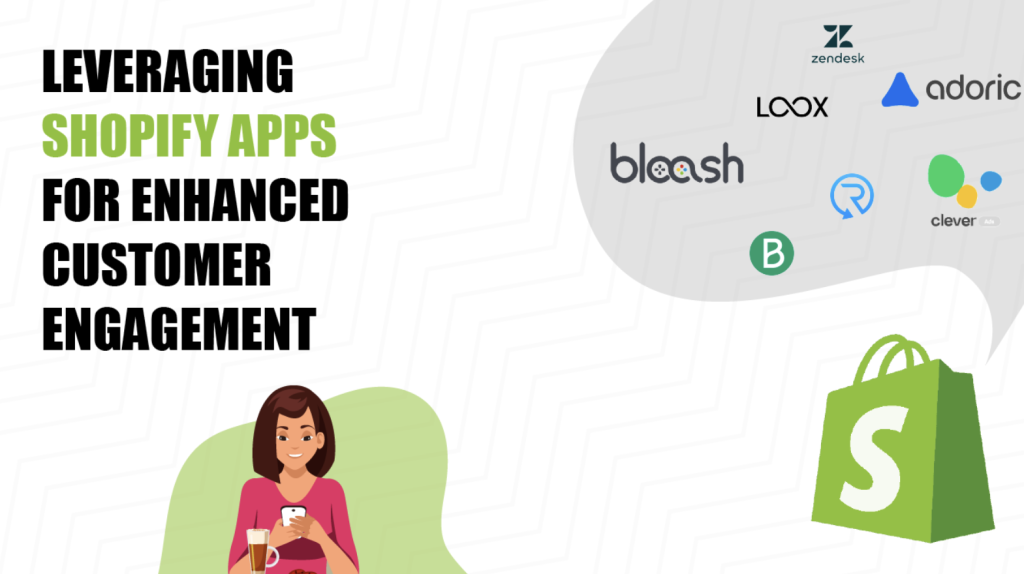
One of Shopify’s most significant advantages is its extensive app ecosystem. You can enhance your store’s functionality by integrating various apps tailored to your specific needs:
· Email Marketing: Apps like Klaviyo and Mailchimp help you automate your email marketing campaigns, segment your audience, and track engagement metrics.
· Inventory Management: Tools like TradeGecko or Stocky help streamline inventory management, ensuring you always have enough stock and stock items.
· Customer Support: Apps such as Zendesk or Gorgias allow you to manage customer inquiries efficiently, improving your customer service and satisfaction.
Implementing Effective Marketing Strategies
To drive traffic and boost sales on your Shopify store, you need a solid marketing strategy. Here are some effective tactics:
· Social Media Marketing
Utilize platforms like Instagram, Facebook, and Pinterest to promote your products. Create engaging posts that showcase your products in use and encourage user-generated content. Additionally, consider running targeted ads to reach potential customers based on their interests and behaviors.
· Influencer Collaborations
The visibility of your brand may be greatly increased by collaborating with influencers in your field. Choose influencers that genuinely connect with their audience and whose beliefs match yours. Influencer marketing has the potential to increase traffic to your shop and foster trust.
· Content Marketing
Developing informative information about your goods or sector of the economy might draw in new clients. On your Shopify store, think about launching a blog where you can provide advice, tutorials, and industry insights. This boosts your SEO and establishes you as an authority in your field.
Utilizing Data and Analytics
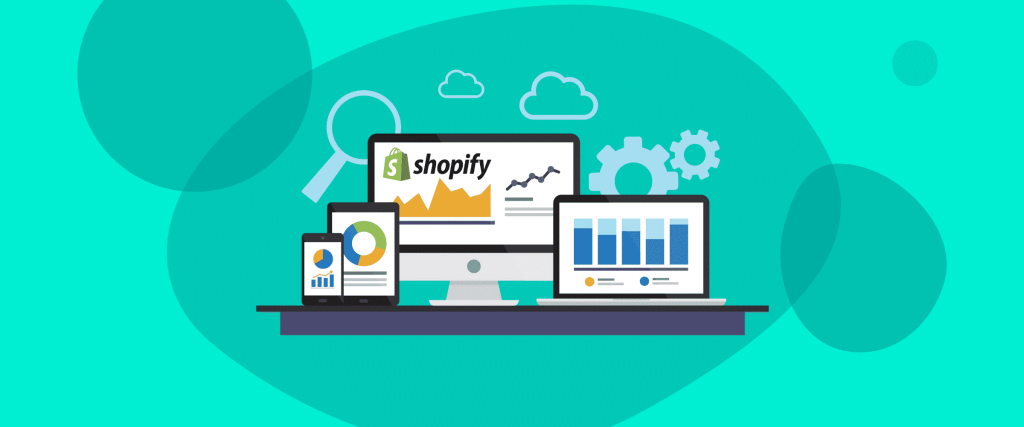
Data-driven decisions are crucial for e-commerce growth. Shopify provides built-in analytics tools that help you track various metrics, including:
· Traffic Sources: Understand where your visitors are coming from and which marketing strategies are most effective.
· Conversion Rates: Monitor how many visitors make a purchase and identify areas for improvement in your sales funnel.
· Customer Behavior: Analyze how customers interact with your site, including popular products, abandoned carts, and page views.
By leveraging this data, you can make informed decisions to optimize your store and marketing strategies.
Enhancing Customer Experience
Ensuring client loyalty and increasing revenue depend heavily on providing a flawless customer experience. The following are some strategies to improve your Shopify store’s purchasing experience:
· Simplified Checkout Process
Cart abandonment may result from a challenging checkout procedure. Shopify’s simplified checkout procedure makes it possible for customers to finish their transactions fast. If you don’t want to establish an account, you might think about providing guest checkout options to keep consumers.
· Personalization
Utilize customer data to provide personalized shopping experiences. Implement features like product recommendations based on browsing history or personalized email campaigns to enhance engagement.
· Customer Reviews and Testimonials
Encourage satisfied customers to leave reviews and testimonials. Positive feedback can significantly influence potential buyers’ decisions and enhance your store’s credibility.
Scaling Your Business with Shopify
As your business grows, Shopify provides the tools you need to scale effectively. Here’s how you can take your e-commerce business to the next level:
· Upgrade Your Plan: Upgrade to a higher Shopify plan as your sales grow, as these plans provide more advanced features like staff accounts and professional reporting.
· Explore Shopify Plus: Shopify Plus provides more features, customization choices, and improved support for larger enterprises.
· International Sales: Shopify allows you to sell internationally by enabling multiple currencies and languages, broadening your customer base.
Continuous Learning and Adaptation
The e-commerce industry is always changing, so keeping up with the newest developments in technology and trends is essential. Here are a few strategies to keep learning:
· Join Shopify Community: Participate in forums and groups to connect with other entrepreneurs, share experiences, and learn from each other.
· Attend Webinars and Workshops: Shopify frequently hosts educational webinars and workshops. Attend these sessions to gain insights from industry experts.
· Follow E-Commerce Trends: Keep up with changes in consumer behavior, industry trends, and emerging technology that may affect your company.
Conclusion
Your company’s potential might be greatly increased by utilizing “Shopify” for the expansion of your online store. You may establish a successful online retail environment by recognizing its advantages, refining your business, putting good marketing plans into action, and being flexible. Shopify may be the cornerstone of your e-commerce success story provided you take the proper strategy and are committed to it. Accept the resources and tools at your disposal, and see how your company thrives in the fast-paced world of internet retail.